Classic·Gothic Fiction
Legends
Gustavo Adolfo Bécquer
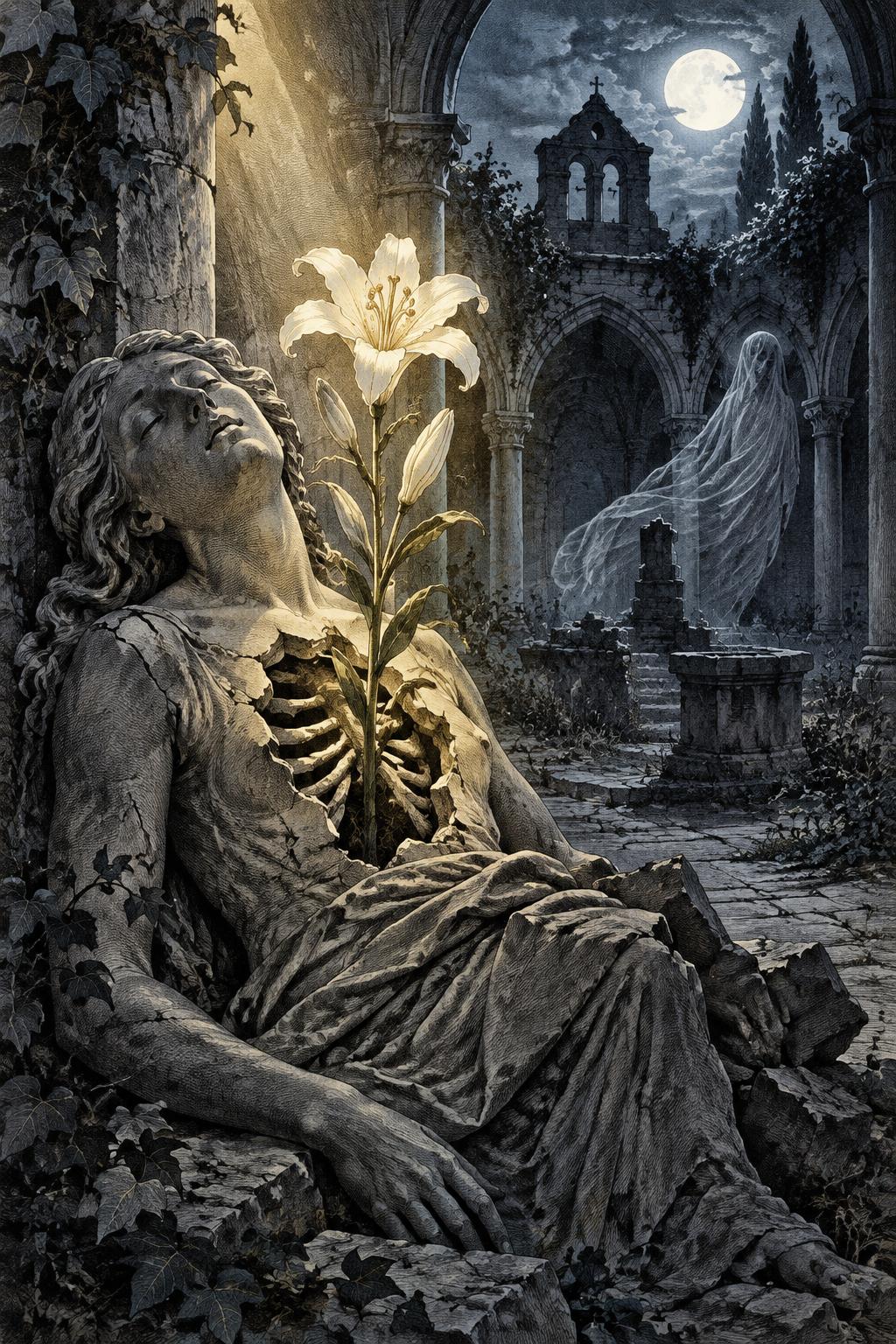
Step into the dark, haunting world of Spanish Romanticism with Gustavo Adolfo Bécquer’s legendary tales of ghosts and the supernatural.
Shared themes:MysteryGothic horror
27 episodesDiscover

“An orphaned governess dares to claim equality, love, and autonomy within a brooding manor harboring a terrible secret.”
Orphaned, mistreated, and fiercely independent, Jane Eyre survives a harsh charity school to become governess at Thornfield Hall. There she encounters Edward Rochester, a brooding, mercurial master whose sharp intellect matches her own. As mutual respect deepens into an intoxicating romance, strange laughter echoes along dark corridors and nocturnal terrors unsettle the estate. Jane must navigate the perilous boundaries of class, morality, and passion, determined to remain true to her conscience. Brontë’s masterpiece remains one of literature's most electrifying portraits of a woman demanding dignity on her own terms.
“To the Public, for the indulgent ear it has inclined to a plain tale with few pretensions.”
““Where the Northern Ocean, in vast whirls, Boils round the naked, melancholy isles Of farthest Thule; and the Atlantic surge Pours in among the stormy Hebrides.””
““She never did so before,” at last said Bessie, turning to the Abigail.”
“My habitual mood of humiliation, self-doubt, forlorn depression, fell damp on the embers of my decaying ire.”
““You fell sick, I suppose, in the red-room with crying; you’ll be better soon, no doubt.””
““No: but night will come again before long: and besides,—I am unhappy,—very unhappy, for other things.””
““What would Uncle Reed say to you, if he were alive?” was my scarcely voluntary demand.”
““What should I see besides Aunt Reed in the apartment?—a man or a woman?””
““But you are passionate, Jane, that you must allow: and now return to the nursery—there’s a dear—and lie down a little.””
““Nothing: I covered my face with the bedclothes, and turned from her to the wall.””
““It is to be done on my responsibility,” she added, in an explanatory tone to them, and immediately afterwards left the room.”
““Why,” thought I, “does she not explain that she could neither clean her nails nor wash her face, as the water was frozen?””
““You will change your mind, I hope, when you grow older: as yet you are but a little untaught girl.””
“The other teachers, poor things, were generally themselves too much dejected to attempt the task of cheering others.”
““A careless girl!” said Mr. Brocklehurst, and immediately after—“It is the new pupil, I perceive.””
““Come, eat something,” she said; but I put both away from me, feeling as if a drop or a crumb would have choked me in my present condition.”
““Oh, very well!” returned Miss Temple; “we must make it do, Barbara, I suppose.””
“Flowers peeped out amongst the leaves; snow-drops, crocuses, purple auriculas, and golden-eyed pansies.”
“I experienced a shock of horror, then a strong thrill of grief, then a desire—a necessity to see her; and I asked in what room she lay.”
“The school, thus improved, became in time a truly useful and noble institution.”
“I saw her in a black gown and widow’s cap; frigid, perhaps, but not uncivil: a model of elderly English respectability.”
““This will be your luggage, I suppose?” said the man rather abruptly when he saw me, pointing to my trunk in the passage.”
““Come and speak to the lady who is to teach you, and to make you a clever woman some day.””
““Not particularly so; but he has a gentleman’s tastes and habits, and he expects to have things managed in conformity to them.””
“Mrs. Fairfax turned out to be what she appeared, a placid-tempered, kind-natured woman, of competent education and average intelligence.”
““I cannot think of leaving you, sir, at so late an hour, in this solitary lane, till I see you are fit to mount your horse.””
““Yes, you had better: I always dress for the evening when Mr. Rochester is here.””
““You play a little, I see; like any other English school-girl; perhaps rather better than some, but not well.””
““Is Miss Eyre there?” now demanded the master, half rising from his seat to look round to the door, near which I still stood.”
““I only remind you of your own words, sir: you said error brought remorse, and you pronounced remorse the poison of existence.””
“In short, I began the process of ruining myself in the received style, like any other spoony.”
““Was that Grace Poole? and is she possessed with a devil?” thought I. Impossible now to remain longer by myself: I must go to Mrs. Fairfax.”
““It is to be hoped he will not take cold with sleeping on the library sofa,” &c.”
““It is fair to-night,” said she, as she looked through the panes, “though not starlight; Mr. Rochester has, on the whole, had a favourable day for his journey.””
““Now I suppose we shall know whether we are to expect his return or not.””
“Besides, she added, a message might possibly come from Mr. Rochester when she was undressed; “et alors quel dommage!””
“And Miss Ingram had looked down at her with a mocking air, and exclaimed, “Oh, what a little puppet!””
““A fig for Rizzio!” cried she, tossing her head with all its curls, as she moved to the piano.”
““Miss Ingram is mine, of course,” said he: afterwards he named the two Misses Eshton, and Mrs. Dent.”
““Why can she not influence him more, when she is privileged to draw so near to him?””
““‘To tell the gentry their fortunes,’ she says, ma’am; and she swears she must and will do it.””
““Well, and you want your fortune told?” she said, in a voice as decided as her glance, as harsh as her features.”
“The forehead declares, ‘Reason sits firm and holds the reins, and she will not let the feelings burst away and hurry her to wild chasms.”
““Will no one come?” it cried; and then, while the staggering and stamping went on wildly, I distinguished through plank and plaster:—”
“I cried inwardly, as the night lingered and lingered—as my bleeding patient drooped, moaned, sickened: and neither day nor aid arrived.”
““Tell him to be cautious, sir: let him know what you fear, and show him how to avert the danger.””
““I am sorry I can’t give you better news of them, Miss: they are very badly at present—in great trouble.””
““Bless you!—I knew you would come!” exclaimed Mrs. Leaven, as I entered.”
““I think I had better leave her now,” said I to Bessie, who stood on the other side of the bed.”
““After all, it is of no great importance, perhaps,” she murmured to herself: “and then I may get better; and to humble myself so to her is painful.””
““The vocation will fit you to a hair,” I thought: “much good may it do you!””
““Absent from me a whole month, and forgetting me quite, I’ll be sworn!””
“On Midsummer-eve, Adèle, weary with gathering wild strawberries in Hay Lane half the day, had gone to bed with the sun.”
““In the shape of Miss Ingram; a noble and beautiful woman,—your bride.””
““In there,” pointing to the apartment she had left; and I went in, and there he stood.”
““Station! station!—your station is in my heart, and on the necks of those who would insult you, now or hereafter.—Go.””
““Well, for cool native impudence and pure innate pride, you haven’t your equal,” said he.”
““I am feverish: I hear the wind blowing: I will go out of doors and feel it.””
““I will tease you and vex you to your heart’s content, when I have finished my tale: but hear me to the end.””
““Lingerer!” he said, “my brain is on fire with impatience, and you tarry so long!””
““We’re tolerable, sir, I thank you,” replied Grace, lifting the boiling mess carefully on to the hob: “rather snappish, but not ’rageous.””
““Friends always forget those whom fortune forsakes,” I murmured, as I undrew the bolt and passed out.”
““Sit down; I’ll talk to you as long as you like, and hear all you have to say, whether reasonable or unreasonable.””
“Let her identity, her connection with yourself, be buried in oblivion: you are bound to impart them to no living being.”
““No, Jane,” he returned: “what necessity is there to dwell on the Past, when the Present is so much surer—the Future so much brighter?””
“I believe it was a lovely summer morning: I know my shoes, which I had put on when I left the house, were soon wet with dew.”
“If a gust of wind swept the waste, I looked up, fearing it was the rush of a bull; if a plover whistled, I imagined it a man.”
““How could she tell where I had got the handkerchief?” she said.”
““Ye’ll want your supper, I am sure,” observed Hannah; “and so will Mr. St. John when he comes in.””
“Yet he whom it describes scarcely impressed one with the idea of a gentle, a yielding, an impressible, or even of a placid nature.”
“I liked to read what they liked to read: what they enjoyed, delighted me; what they approved, I reverenced.”
““I thank you for the proposal, Mr. Rivers, and I accept it with all my heart.””
“Was I very gleeful, settled, content, during the hours I passed in yonder bare, humble schoolroom this morning and afternoon?”
““A lovely evening, but late for you to be out alone,” he said, as he crushed the snowy heads of the closed flowers with his foot.”
“Some time elapsed before, with all my efforts, I could comprehend my scholars and their nature.”
““As far as I can see, it would be wiser and more judicious if you were to take to yourself the original at once.””
““I have had hard work to get here, I assure you,” he observed, as he warmed his hands over the flame.”
““But I apprised you that I was a hard man,” said he, “difficult to persuade.””
““Do you consider you have got your reward for a season of exertion?” asked Mr. Rivers, when they were gone.”
““The match must have been got up hastily,” said Diana: “they cannot have known each other long.””
““I do not speak to the feeble, or think of them: I address only such as are worthy of the work, and competent to accomplish it.””
““I repeat I freely consent to go with you as your fellow-missionary, but not as your wife; I cannot marry you and become part of you.””
““Your wish is reasonable, and I am far from regarding you as a stranger.””
“It is better, therefore, for the insignificant to keep out of his way, lest, in his progress, he should trample them down.”
“Meantime, watch and pray that you enter not into temptation: the spirit, I trust, is willing, but the flesh, I see, is weak.”
““I mean the present gentleman, Mr. Edward’s father,” he explained.”
“He would have let the house, but could find no tenant, in consequence of its ineligible and insalubrious site.”
“Summoning Mary, I soon had the room in more cheerful order: I prepared him, likewise, a comfortable repast.”
““Yes, of friends,” I answered rather hesitatingly: for I knew I meant more than friends, but could not tell what other word to employ.”
Classic·Gothic Fiction
Gustavo Adolfo Bécquer
Step into the dark, haunting world of Spanish Romanticism with Gustavo Adolfo Bécquer’s legendary tales of ghosts and the supernatural.

Classic·Gothic Fiction
Joseph Sheridan Le Fanu
Before Dracula stalked London, a seductive stranger haunted an isolated Austrian castle with an intoxicating, predatory intimacy.

Classic·Gothic Fiction
Gaston Leroux
Beneath the grandeur of the Paris Opera House lurks a disfigured genius whose consuming obsession turns deadly.
Public-domain work (1847). Text: Project Gutenberg #1260. The Spanish version is an AI-assisted translation and may contain errors. Digital edition by Inkora Stories. Learn more