Classic·Children's literature
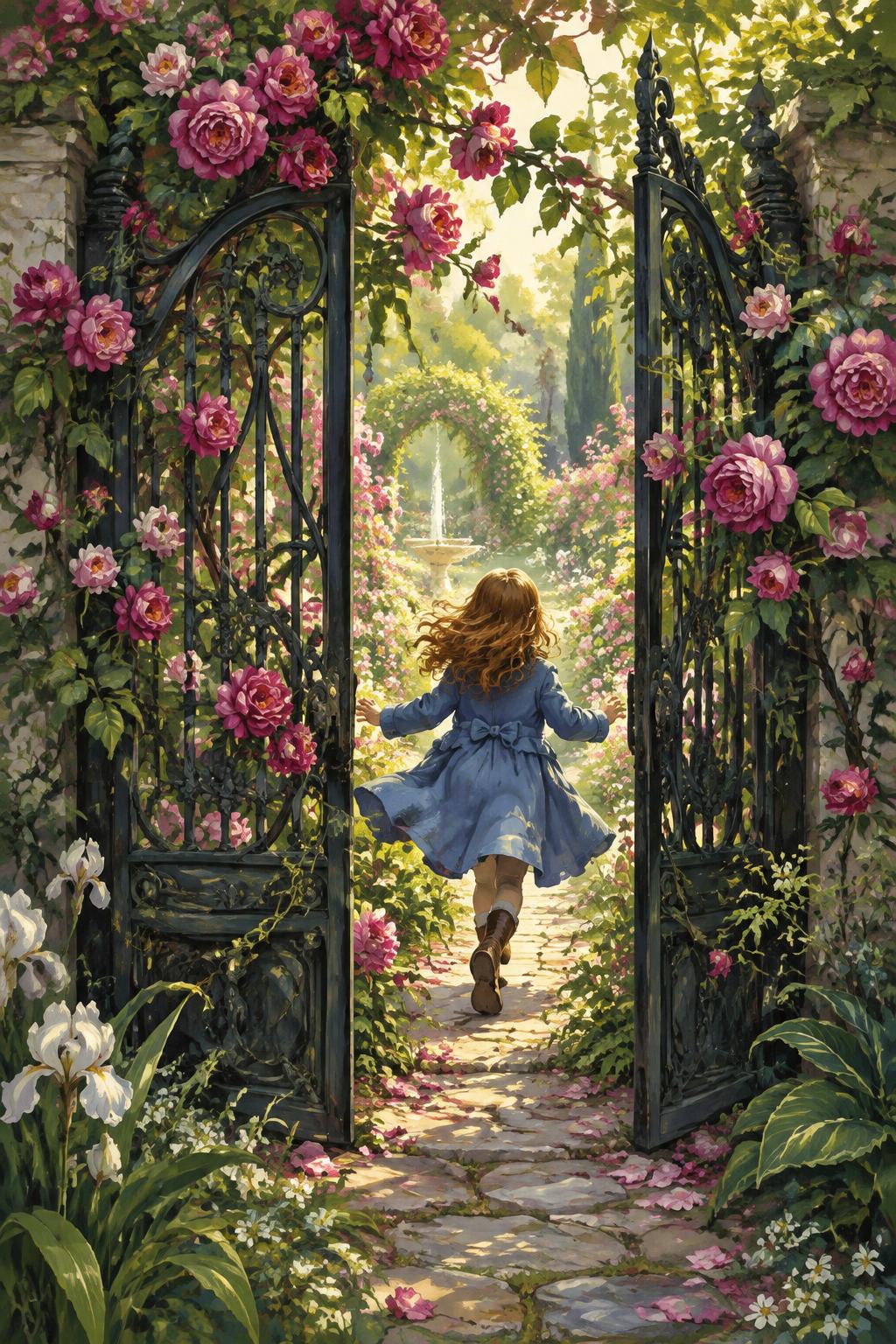
The Secret Garden
Frances Hodgson Burnett
A sour, orphaned girl discovers a locked sanctuary in the Yorkshire moors, where bruised hearts find miraculous new life.
Shared themes:#nature#childhood
45 episodesDiscover
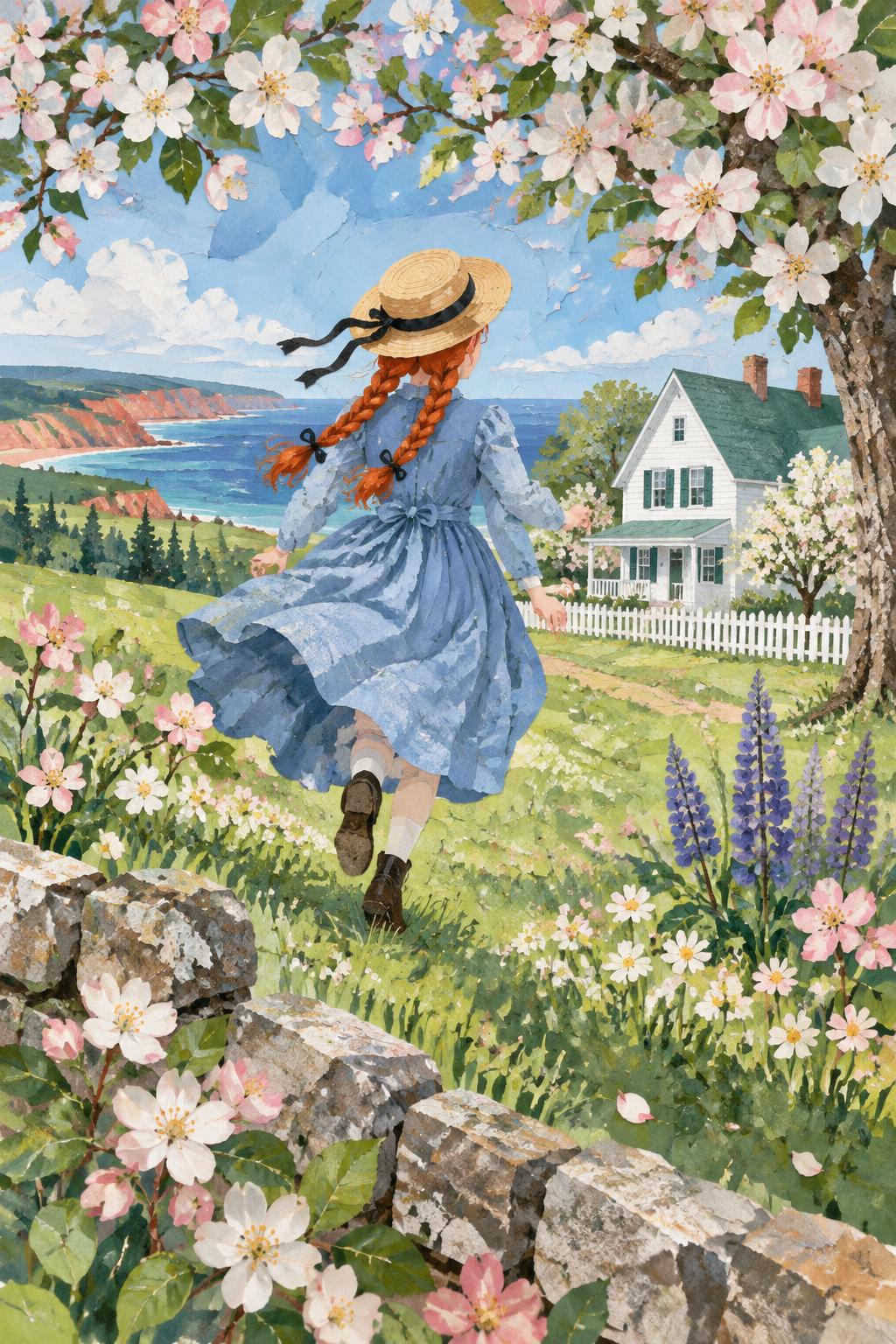
“An indomitable imagination transforms quiet Avonlea when a spirited, red-haired orphan girl arrives by mistake.”
Due to a mix-up in their adoption plans, aging siblings Marilla and Matthew Cuthbert welcome Anne Shirley to their Prince Edward Island farm, Green Gables. Far from the sturdy farm boy they requested, Anne arrives with fiery hair, an endless vocabulary, and a deeply romantic soul. Amid school scrapes, devoted friendships, and unwavering optimism, this beloved novel chronicles how an imaginative orphan gradually wins over an entire rural community.
““It’s just staying, that’s what,” she said as she stepped along the deep-rutted, grassy lane bordered with wild rose bushes.”
““Well, we’ve been thinking about it for some time—all winter in fact,” returned Marilla.”
““The little birds sang as if it were The one day of summer in all the year.””
““Well now, I’m afraid I can’t,” said Matthew, who was getting a little dizzy.”
“Sitting down on a chair by the table, flinging her arms out upon it, and burying her face in them, she proceeded to cry stormily.”
“Off to the left were the big barns and beyond them, away down over green, low-sloping fields, was a sparkling blue glimpse of sea.”
““No, I don’t know as I ever did,” said Marilla mercilessly, “and I shouldn’t think it likely to happen in your case either.””
““She certainly did, Miss Cuthbert,” corroborated Flora Jane earnestly.”
““I was so harrowed up in my mind last night that I didn’t think about my clothes at all,” said Anne.”
““You haven’t scalded the dishcloth in clean hot water as I told you to do,” said Marilla immovably.”
“She felt it dreadfully, too, I know she did, for she was crying when she kissed me good-bye through the bookcase door.”
““I don’t suppose you are any more surprised than I am myself,” said Marilla.”
““It’s a good thing Rachel Lynde got a calling down; she’s a meddlesome old gossip,” was Matthew’s consolatory rejoinder.”
““But I’d rather look ridiculous when everybody else does than plain and sensible all by myself,” persisted Anne mournfully.”
““I don’t see why it’s any more ridiculous to wear flowers on your hat than on your dress,” protested Anne.”
“The more she talks and the odder the things she says, the more he’s delighted evidently.”
““I—I saw it this afternoon when you were away at the Aid Society,” said Anne, a little slowly.”
“Anne, starting out alone in the morning, went down Lover’s Lane as far as the brook.”
“He was a tall boy, with curly brown hair, roguish hazel eyes, and a mouth twisted into a teasing smile.”
““It isn’t nonsense at all,” said Anne, gazing at Marilla with solemn, reproachful eyes.”
““Messy things,” said Marilla, whose aesthetic sense was not noticeably developed.”
““Oh, you mustn’t dream of going home without your tea,” cried Anne in distress.”
““Oh, Diana, will you promise faithfully never to forget me, the friend of your youth, no matter what dearer friends may caress thee?””
““Well now, no, I didn’t,” said Matthew, coming out of his doze with a start.”
“I tell you she saved that baby’s life, for it would have been too late by the time I got there.”
““You can go, but you’re to be back here in just ten minutes, remember that.””
““So you and Diana nearly frightened poor old Miss Barry to death last night?” said Mrs. Lynde severely, but with a twinkle in her eye.”
““I’m so sorry for people who live in lands where there are no Mayflowers,” said Anne.”
““I don’t think I was crying because I was really so very fond of him,” reflected Anne.”
““It’ll be good, all right,” assured Diana, who was a very comfortable sort of friend.”
““Mrs. Allan told me she meant to have all the members of her Sunday-school class to tea in turn,” said Marilla, regarding the wonderful event very coolly.”
““I don’t think it’s such a very wonderful thing to walk a little, low, board fence,” she said.”
““Well now, you might recite it for me some of these days, out in the barn,” suggested Matthew.”
“Marilla kept her clothed in plain, dark dresses, all made after the same unvarying pattern.”
““Well, well, let us have breakfast,” interrupted Marilla.”
“To Anne in particular things seemed fearfully flat, stale, and unprofitable after the goblet of excitement she had been sipping for weeks.”
““But we’re so careful to put a moral into them all, Marilla,” explained Anne.”
““I’ll settle Miss Anne when she comes home,” said Marilla grimly, as she shaved up kindlings with a carving knife and with more vim than was strictly necessary.”
““Oh, Marilla, what shall I do?” questioned Anne in tears.”
““Oh, do you really think so?” exclaimed Anne, flushing sensitively with delight.”
““I’m very much obliged to you,” she said haughtily as she turned away.”
““Charlotte Gillis is going to be married in the church after all and Mrs. Allan wants us to decorate it,” cried Anne.”
“I was so excited I couldn’t even talk, so you may know what it was like.”
“She had been reading, but her book had slipped to the floor, and now she was dreaming, with a smile on her parted lips.”
““What is Gilbert Blythe going to be?” queried Marilla, seeing that Anne was opening her Cæsar.”
““I feel just like studying with might and main,” she declared as she brought her books down from the attic.”
““You oughtn’t to feel half as badly as I do,” said Anne, hunting vainly for a dry spot on her handkerchief.”
““I haven’t got the grit to go there and look at a paper in cold blood,” he told Anne.”
“Changes had crept in, Marilla conniving at them resignedly, until it was as sweet and dainty a nest as a young girl could desire.”
“Josie Pye, whom he had driven over, sat beside him, and her face certainly was both triumphant and taunting.”
““No, I wasn’t crying over your piece,” said Marilla, who would have scorned to be betrayed into such weakness by any poetry stuff.”
““But I shouldn’t think she was the sort of girl Gilbert would like,” whispered Jane to Anne.”
““Of course you’ll win one of them anyhow,” said Jane, who couldn’t understand how the faculty could be so unfair as to order it otherwise.”
““Mrs. Lynde, you don’t think—you can’t think Matthew is—is—” Anne could not say the dreadful word; she turned sick and pallid.”
““But I’m going to study Latin and Greek just the same, Mrs. Lynde,” said Anne laughing.”
Classic·Children's literature
Frances Hodgson Burnett
A sour, orphaned girl discovers a locked sanctuary in the Yorkshire moors, where bruised hearts find miraculous new life.
Classic·Young Adult
Louisa May Alcott
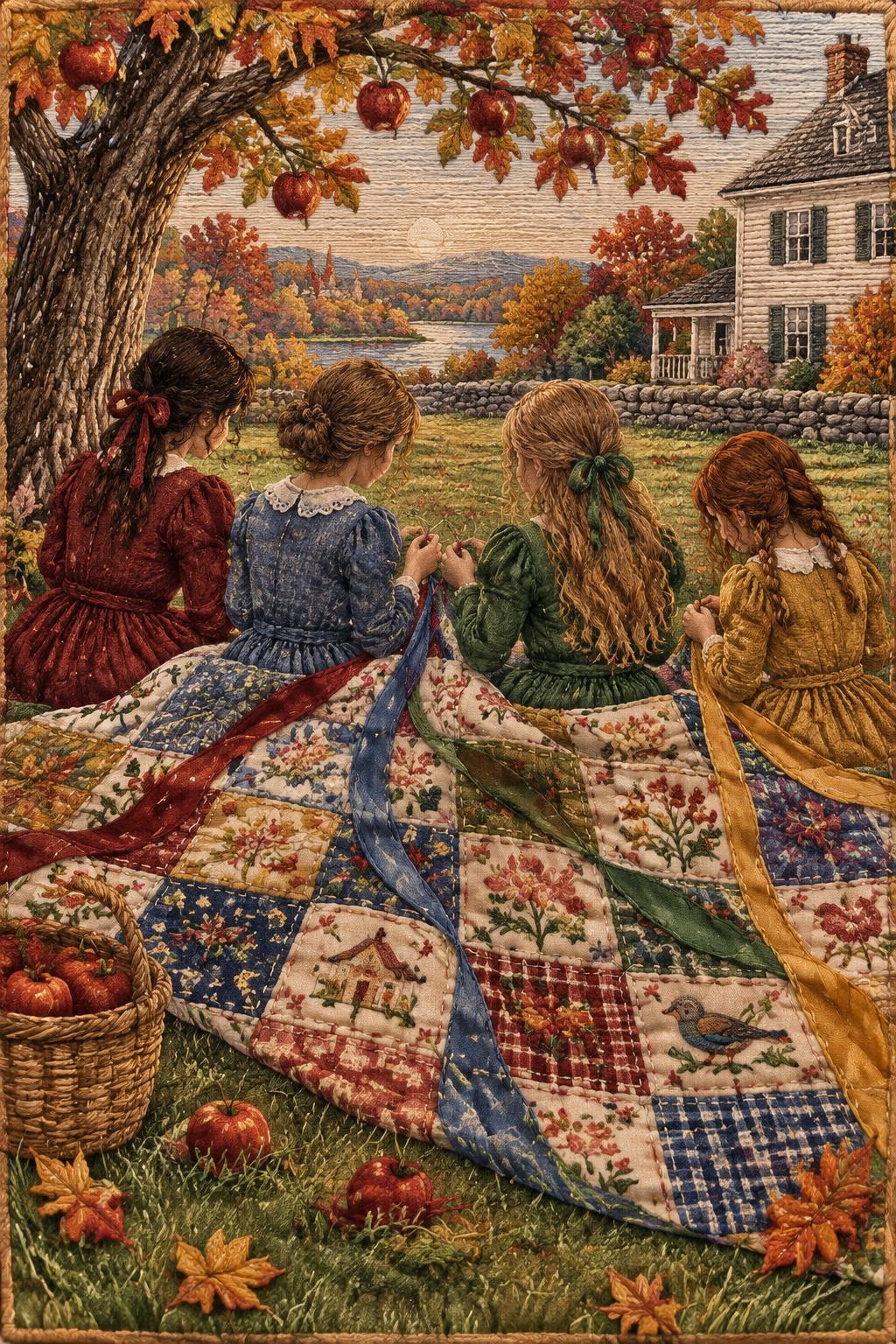
Four sisters navigate poverty, creativity, and the turbulent transition to womanhood in Civil War New England.
Classic·Literary Nonsense
Lewis Carroll
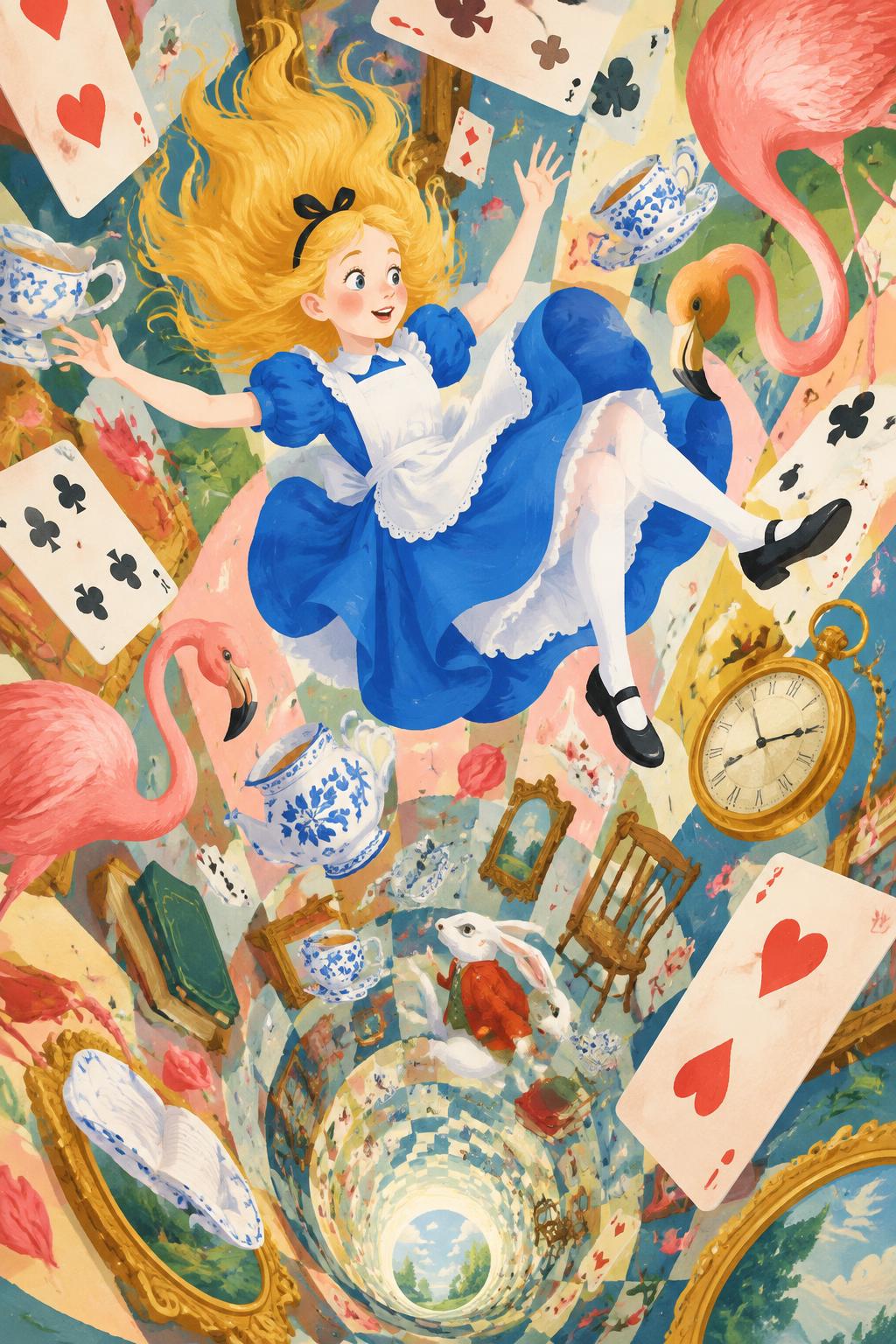
Follow curiosity down the rabbit hole into an unforgettable realm where logic unravels and the impossible makes perfect sense.
Public-domain work (1908). Text: Project Gutenberg #45. The Spanish version is an AI-assisted translation and may contain errors. Digital edition by Inkora Stories. Learn more