Classic·Gothic Fiction
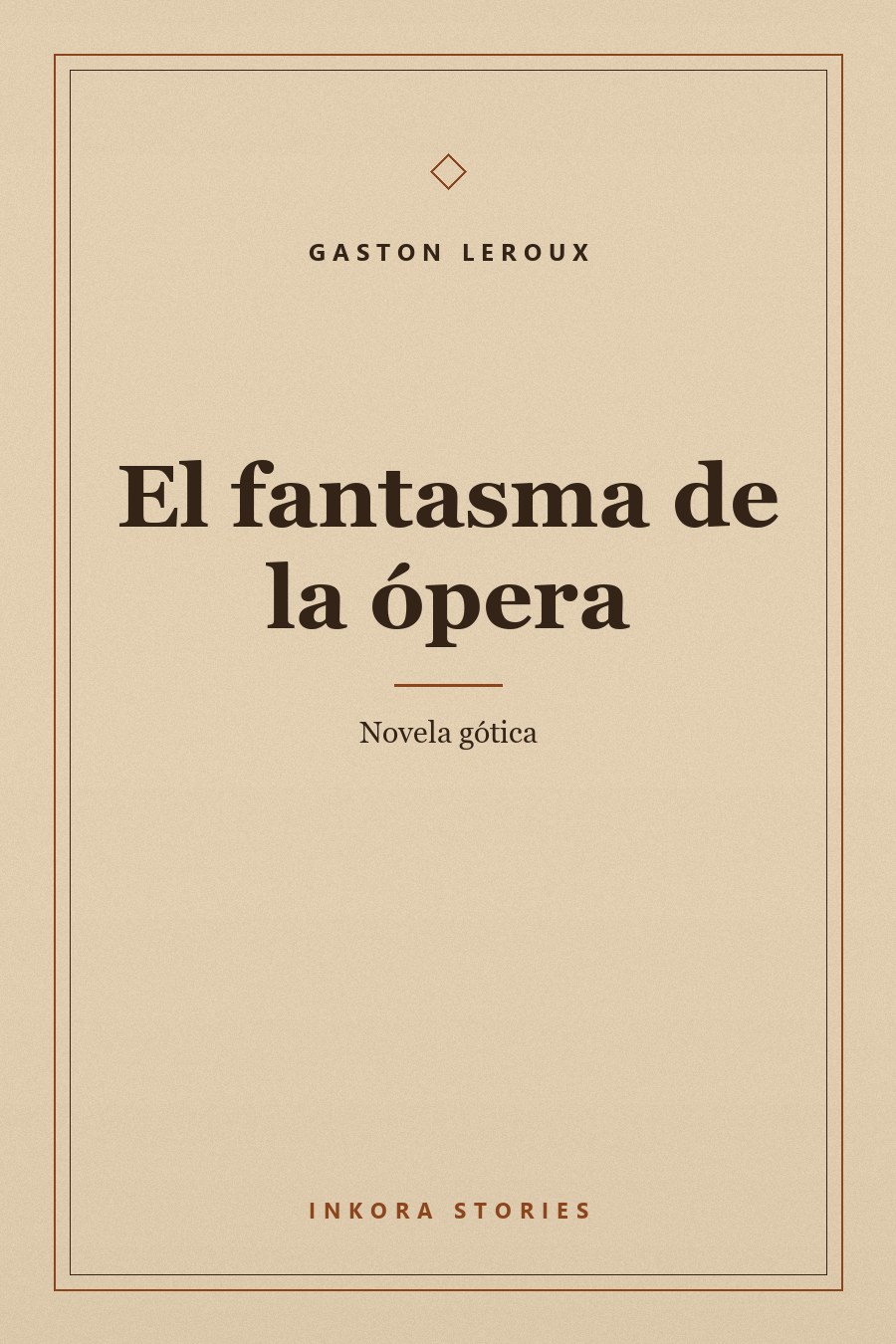
The Phantom of the Opera
Gaston Leroux
Beneath the grandeur of the Paris Opera House lurks a disfigured genius whose consuming obsession turns deadly.
Shared themes:Gothic horror
47 episodesDiscover

“On the windswept Yorkshire moors, an all-consuming passion turns into an unrelenting cycle of vengeance across generations.”
When Mr. Lockwood rents Thrushcross Grange, he encounters his brooding landlord, Heathcliff, in the desolate winds of the Yorkshire moors. Through the recollections of the housekeeper Nelly Dean, a turbulent history unfolds: the arrival of Heathcliff as a foundling, his ferocious bond with Catherine Earnshaw, and the social barriers that tear them apart. Emily Brontë’s solitary masterpiece charts the collision of raw nature, class resentments, and a romance so intense it transcends mortal limits. It is a haunting exploration of obsession, cruelty, and the ghosts of unresolved passion.
““Here we have the whole establishment of domestics, I suppose,” was the reflection suggested by this compound order.”
““There’s nobbut t’ missis; and shoo’ll not oppen ’t an ye mak’ yer flaysome dins till neeght.””
““The roads will be buried already; and, if they were bare, I could scarcely distinguish a foot in advance.””
“The whole furniture consisted of a chair, a clothes-press, and a large oak case, with squares cut out near the top resembling coach windows.”
““It is only your guest, sir,” I called out, desirous to spare him the humiliation of exposing his cowardice further.”
““Eighteen, sir: I came when the mistress was married, to wait on her; after she died, the master retained me for his housekeeper.””
“By chance, or else attracted by hearing his voice, it crept to Mr. Earnshaw’s door, and there he found it on quitting his chamber.”
“We might have got on tolerably, notwithstanding, but for two people—Miss Cathy, and Joseph, the servant: you saw him, I daresay, up yonder.”
“She was rather thin, but young, and fresh-complexioned, and her eyes sparkled as bright as diamonds.”
““Still you have not told me, Heathcliff, how Catherine is left behind?””
““You may come and wish Miss Catherine welcome, like the other servants.””
““I didn’t,” sobbed the youth, escaping from my hands, and finishing the remainder of the purification with his cambric pocket-handkerchief.”
““I think he swore: but I didn’t mind him, I was straining to see the bairn,” and she began again to describe it rapturously.”
““As it rains, I hardly expect them; but they may come, and if they do, you run the risk of being scolded for no good.””
““There, I’ve found it out at last!” cried Hindley, pulling me back by the skin of my neck, like a dog.”
““I’ve been wet,” she answered reluctantly, “and I’m cold, that’s all.””
““It wants twenty minutes, sir, to taking the medicine,” she commenced.”
““No, to Wuthering Heights,” he answered: “Mr. Earnshaw invited me, when I called this morning.””
““Come in, that’s right!” exclaimed the mistress, gaily, pulling a chair to the fire.”
“One time I passed the old gate, going out of my way, on a journey to Gimmerton.”
““Fair means!” she said, in answer to her husband’s look of angry surprise.”
““What is that apathetic being doing?” she demanded, pushing the thick entangled locks from her wasted face.”
““Ah! you are come, are you, Edgar Linton?” she said, with angry animation.”
“DEAR ELLEN, it begins,—I came last night to Wuthering Heights, and heard, for the first time, that Catherine has been, and is yet, very ill.”
““Gooid Lord!” he muttered, sitting down, and stroking his ribbed stockings from the knee to the ankle.”
“I must confess, that if I had been in the young lady’s place, I would, at least, have swept the hearth, and wiped the tables with a duster.”
““Put that down!” he interrupted, perceiving my intention to depart.”
“She is, on the whole, a very fair narrator, and I don’t think I could improve her style.”
“And,” added she musingly, “the thing that irks me most is this shattered prison, after all.”
“To be sure, one might have doubted, after the wayward and impatient existence she had led, whether she merited a haven of peace at last.”
““Excuse me!” answered a familiar voice; “but I know Edgar is in bed, and I cannot stop myself.””
“His hair and clothes were whitened with snow, and his sharp cannibal teeth, revealed by cold and wrath, gleamed through the dark.”
““Why, guess!” he returned, dismounting, and slinging his bridle on a hook by the door.”
“Her spirit was high, though not rough, and qualified by a heart sensitive and lively to excess in its affections.”
““Now, get my horse,” she said, addressing her unknown kinsman as she would one of the stable-boys at the Grange.”
““Linton is just six months younger than I am,” she chattered, as we strolled leisurely over the swells and hollows of mossy turf, under shadow of the trees.”
““He had business to keep him in the north,” I answered, “and your mother’s health required her to reside in the south.””
““That must be a good distance up,” I answered; “they don’t breed on the edge of the moor.””
““I don’t know,” she replied, casting a longing look to the door, and evidently eager to be active.”
““You’ll get nobody to take that, Catherine,” I said, “if you write it; and at present I shall put out your candle.””
““You mustn’t cry because papa has a cold; be thankful it is nothing worse.””
““Oh, I hope you’ll die in a garret, starved to death!” said the boy, mistaking our approach for that of his negligent attendant.”
““And to-morrow, Catherine, will you be here to-morrow?” asked young Heathcliff, holding her frock as she rose reluctantly.”
“I heard a malignant, crackly laugh by the fire, and turning, beheld that odious Joseph standing rubbing his bony hands, and quivering.”
“Last winter, I did not think, at another twelve months’ end, I should be amusing a stranger to the family with relating them!”
““Well, we’ll turn our horses’ heads round when we reach him,” answered my companion; “our excursion shall lie towards home.””
““Papa wants us to be married,” he continued, after sipping some of the liquid.”
“On the fifth morning, or rather afternoon, a different step approached—lighter and shorter; and, this time, the person entered the room.”
“Her father shall see her, I vowed, and vowed again, if that devil be killed on his own door-stones in trying to prevent it!”
“There was the same man: his dark face rather sallower and more composed, his frame a stone or two heavier, perhaps, and no other difference.”
“She thinks Catherine haughty, and does not like her, I can guess by her talk.”
““You must tell her,” she continued, “that I would answer her letter, but I have no materials for writing: not even a book from which I might tear a leaf.””
“In winter nothing more dreary, in summer nothing more divine, than those glens shut in by hills, and those bluff, bold swells of heath.”
““I know why Hareton never speaks, when I am in the kitchen,” she exclaimed, on another occasion.”
““I’d forgotten they were Joseph’s,” answered Earnshaw, rather puzzled; “but I’ll tell him I did it.””
“It is far from being the case: I have lost the faculty of enjoying their destruction, and I am too idle to destroy for nothing.”
““No, I’m not hungry,” he answered, averting his head, and speaking rather contemptuously, as if he guessed I was trying to divine the occasion of his good humour.”
““And supposing you persevered in your obstinate fast, and died by that means, and they refused to bury you in the precincts of the kirk?””
Classic·Gothic Fiction
Gaston Leroux
Beneath the grandeur of the Paris Opera House lurks a disfigured genius whose consuming obsession turns deadly.

Classic·Psychological Horror
Charlotte Perkins Gilman
Prescribed absolute rest in an isolated estate, a confined woman begins to see terrifying secrets stir behind the peeling wallpaper.

Series·Psychological Mystery
Yara Rajná
Some cult shows are never cancelled. They're just waiting for their final episode.
Public-domain work (1847). Text: Project Gutenberg #768. The Spanish version is an AI-assisted translation and may contain errors. Digital edition by Inkora Stories. Learn more