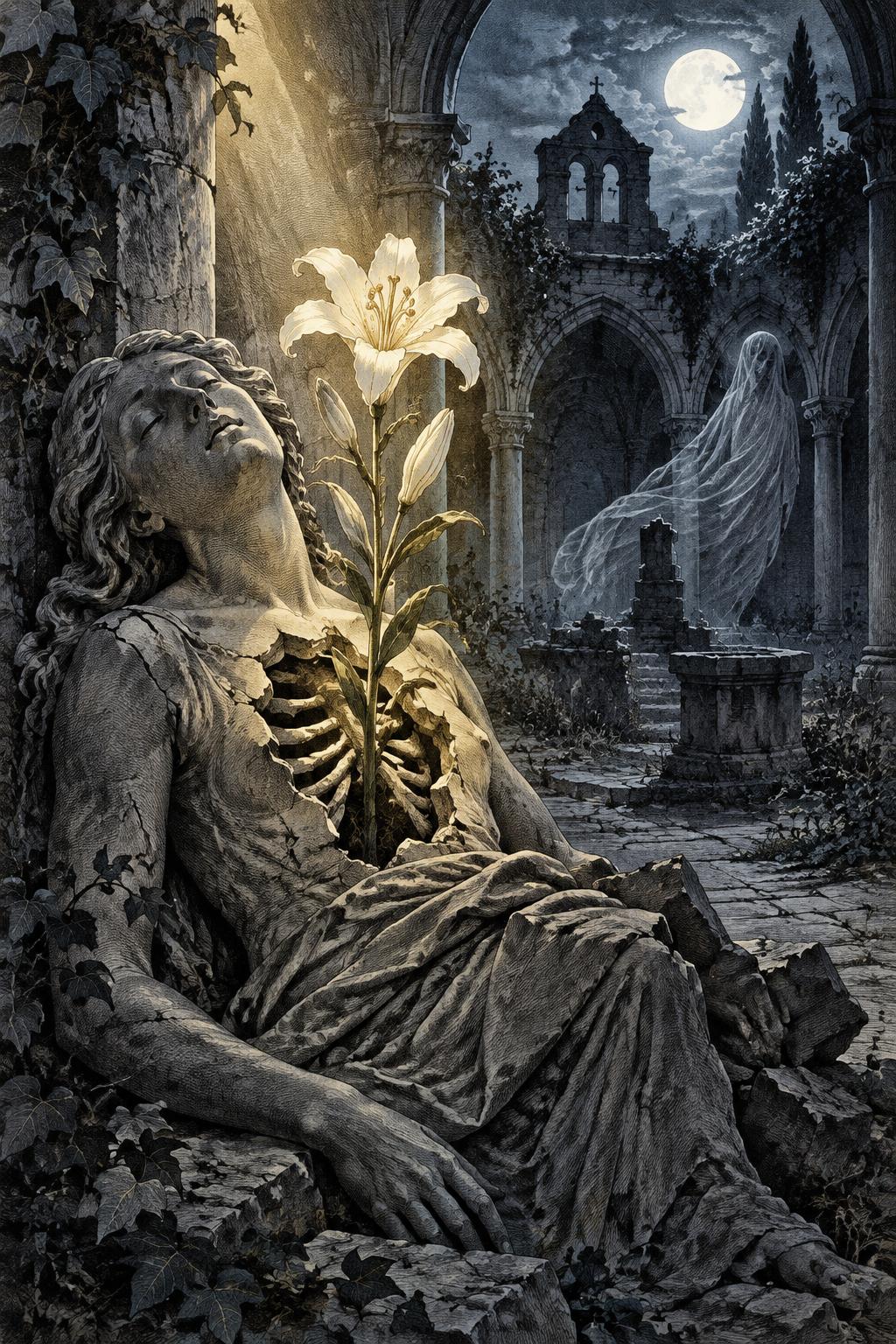
Classic·Gothic Fiction
Legends
Gustavo Adolfo Bécquer
Step into the dark, haunting world of Spanish Romanticism with Gustavo Adolfo Bécquer’s legendary tales of ghosts and the supernatural.
Shared themes:Mystery
27 episodesDiscover
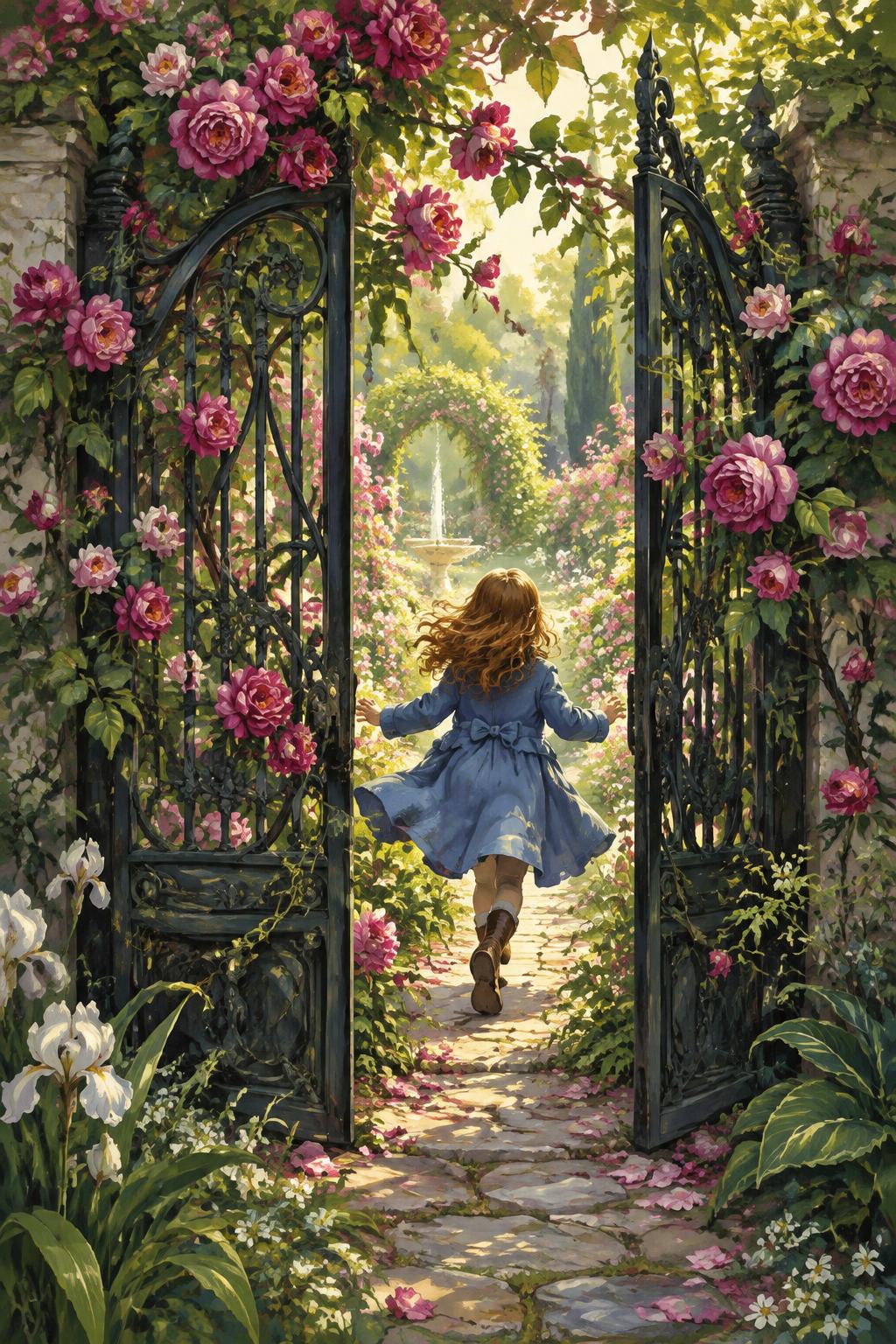
“A sour, orphaned girl discovers a locked sanctuary in the Yorkshire moors, where bruised hearts find miraculous new life.”
Following a sudden cholera outbreak in India, unloved and disagreeable Mary Lennox is sent to her reclusive uncle’s sprawling manor on the bleak Yorkshire moors. Amidst whistling winds and locked corridors, she stumbles upon a walled garden left abandoned for a decade. Driven by curiosity and a cheerful robin, Mary begins to unravel the estate's secrets, enlisting a local animal whisperer and her hidden, sickly cousin to help restore the forgotten Eden. Together, they discover the regenerative magic of earth, belonging, and hope.
“She had a little thin face and a little thin body, thin light hair and a sour expression.”
““Why don’t you put a heap of stones there and pretend it is a rockery?” he said.”
““Humph,” muttered Mrs. Medlock, staring at her queer, unresponsive little face.”
““Aye, that’s her,” answered Mrs. Medlock, speaking with a Yorkshire accent herself and jerking her head over her shoulder toward Mary.”
““Aye, that I do,” answered Martha, cheerfully polishing away at the grate.”
““I don’t know what it is to be hungry,” said Mary, with the indifference of ignorance.”
““Will he always come when you call him?” she asked almost in a whisper.”
““It tastes nice today,” said Mary, feeling a little surprised herself.”
““What do you do in your cottage when it rains like this?” she asked Martha.”
““I thought perhaps it always rained or looked dark in England,” Mary said.”
“No one but herself ever seemed to come there, so she could walk slowly and look at the wall, or, rather, at the ivy growing on it.”
““Mother said I must tell you to keep out o’ doors as much as you could, even when it rains a bit, so as tha’ wrap up warm.””
““I am the first person who has spoken in here for ten years.””
““Mrs. Morrison gave me five shillings and Mrs. Medlock gave me some money from Mr. Craven.””
“She had no intention of going to sleep, and, in fact, she was becoming wider awake every day which passed at Misselthwaite.”
“He had a wide, red, curving mouth and his smile spread all over his face.”
““We must talk low,” he said, “or someone’ll hear us an’ wonder what’s to do in here.””
““An’ his eyes is so round,” said Martha, a trifle doubtful.”
““I thought her rather bold to stop me on the moor, but she said—Mrs. Craven had been kind to her.””
“She did not cry, but she lay and hated the sound of the heavily beating rain, she hated the wind and its “wuthering.””
““Do you think you won’t live?” she asked, partly because she was curious and partly in hope of making him forget the garden.”
““What’s the matter with thee?” she asked as soon as they sat down.”
““I have never been there once, really,” said Mary suddenly remembering.”
““You are a sly young one to listen and get out of your bed to go following things up like you did that night,” Mrs. Medlock said once.”
““If we talk about him I can’t help looking at him,” Mary said as softly as possible.”
““There’ll be apple blossoms an’ cherry blossoms overhead,” Dickon said, working away with all his might.”
““I’ll go out before breakfast and work with Dickon and then afterward—I believe—I’ll go to see him.””
““No, I’ll go and see Colin first and tell him—I know what I’ll tell him,” with a sudden inspiration.”
““Those long spires of blue ones—we’ll have a lot of those,” Colin was announcing.”
“There was a great deal of joking about the unpopular young recluse who, as the cook said, “had found his master, and good for him.””
““Let’s hope they’re changing for the better, Mrs. Medlock,” he answered.”
““This is one of his good days, sir,” she said to Dr. Craven, who dropped in to inspect him.”
““Does tha’ think,” said Colin with dreamy carefulness, “as happen it was made loike this ’ere all o’ purpose for me?””
““When tha’ stops bein’ afraid tha’lt stand on ’em,” Dickon said with renewed cheer.”
““I can stand,” he said, and his head was still held up and he said it quite grandly.”
““So am I,” said Colin calmly, but not without an air of some satisfaction.”
““Tha’rt a clever lad as well as a straight-legged one, Mester Colin,” he said.”
“In the company of his “creatures” he did wonders there and was never tired of doing them, it seemed.”
““I do wish,” Colin would say also, “I do wish the slices of ham were thicker, and one muffin each is not enough for anyone.””
“Dickon always spoke it to the robin himself, so the queer gibberish he used when he spoke to humans did not matter in the least.”
““It’s the Magic and—and Mrs. Sowerby’s buns and milk and things,” said Colin.”
““Aye, for sure, dear lad,” she answered and she gave his shoulder a soft quick pat.”
“He opened it, scarcely thinking of the writer, but the first words attracted his attention at once.”
“And then the moment came, the uncontrollable moment when the sounds forgot to hush themselves.”
Classic·Gothic Fiction
Gustavo Adolfo Bécquer
Step into the dark, haunting world of Spanish Romanticism with Gustavo Adolfo Bécquer’s legendary tales of ghosts and the supernatural.
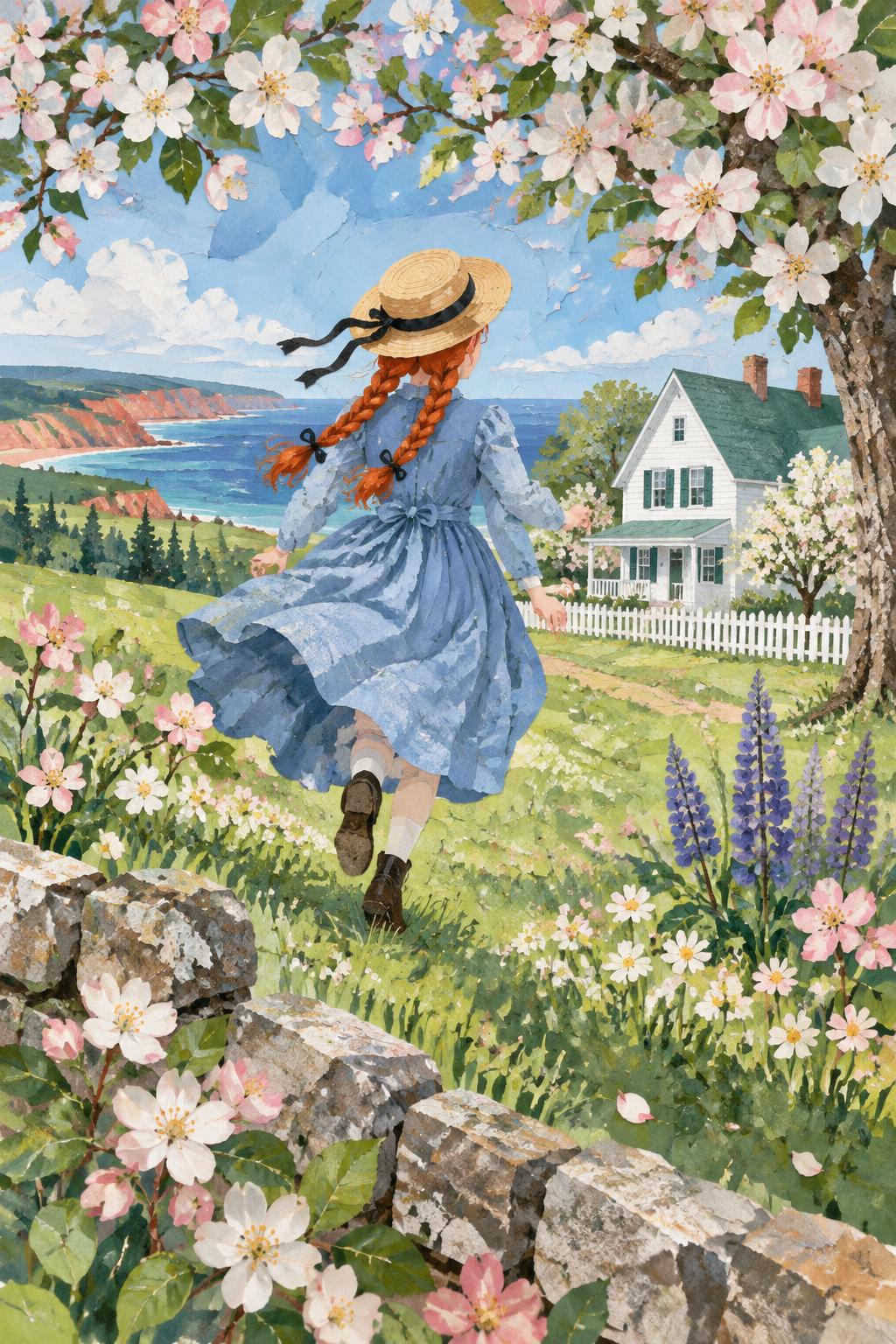
Classic·Young adult fiction
L. M. Montgomery
An indomitable imagination transforms quiet Avonlea when a spirited, red-haired orphan girl arrives by mistake.

Series·Psychological Mystery
Yara Rajná
Some cult shows are never cancelled. They're just waiting for their final episode.
Public-domain work (1911). Text: Project Gutenberg #113. The Spanish version is an AI-assisted translation and may contain errors. Digital edition by Inkora Stories. Learn more