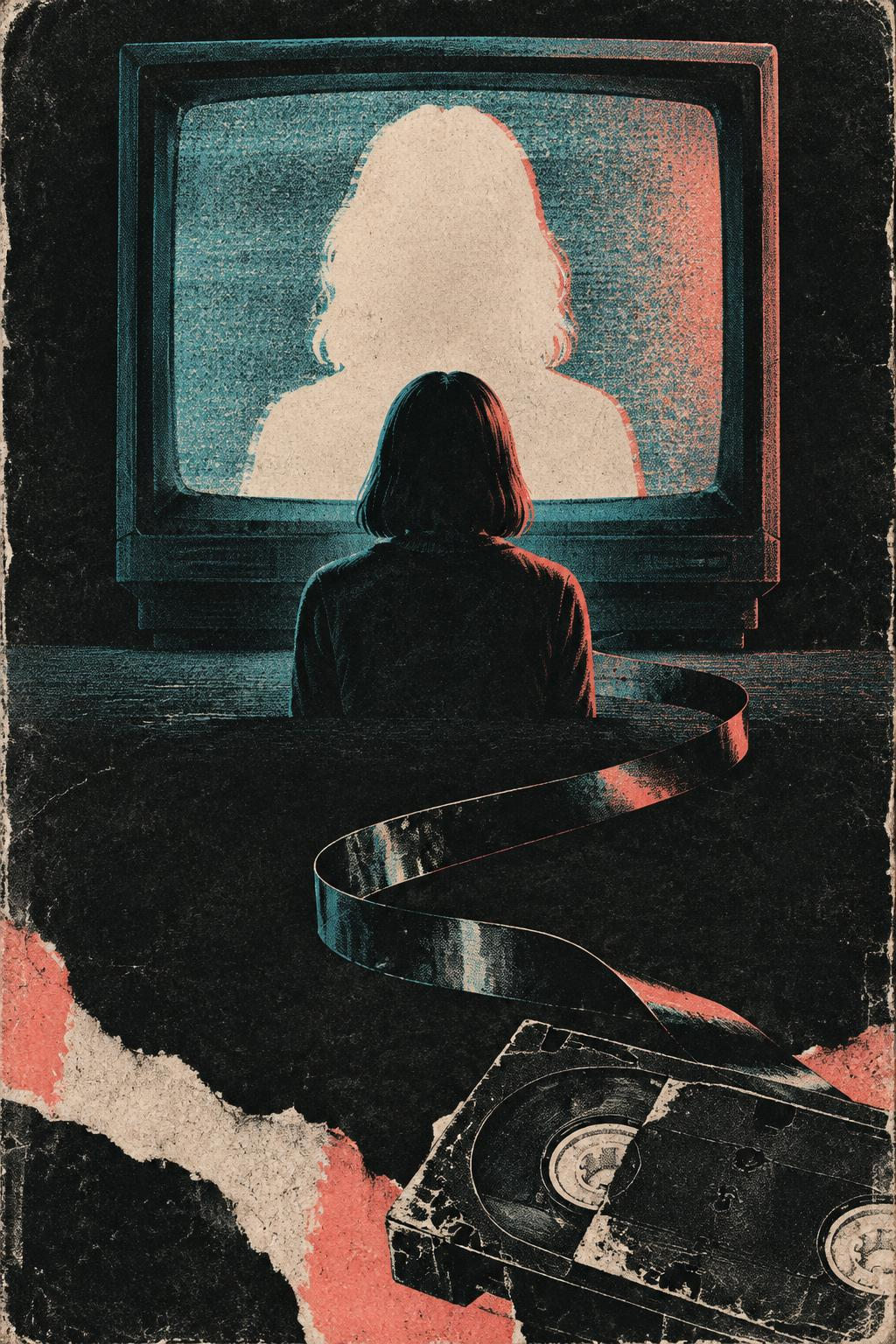
Series·Psychological Mystery
The Last Episode
Yara Rajná
Some cult shows are never cancelled. They're just waiting for their final episode.
Shared themes:MysteryGothic horror
36 episodesDiscover
“Beneath the grandeur of the Paris Opera House lurks a disfigured genius whose consuming obsession turns deadly.”
Far below the glittering auditorium of the Palais Garnier, in a cavernous labyrinth of subterranean canals, dwells a spectral figure feared by all. Erik, a disfigured architectural prodigy and musical genius, grooms the chorus girl Christine Daaé to become the opera's supreme diva under the guise of an ethereal muse. But when childhood sweetheart Viscount Raoul de Chagny reenters Christine's life, Erik's devotion twists into a ferocious, possessive madness. Brimming with suspense, grand melodrama, and gothic menace, this legendary tale explores the razor-thin line between sublime artistry and terrifying passion.
“Yes, he existed in flesh and blood, although he assumed the complete appearance of a real phantom; that is to say, of a spectral shade.”
““As plainly as I see you now!” said little Jammes, whose legs were giving way beneath her, and she dropped with a moan into a chair.”
““That’s mother’s opinion,” replied Meg, lowering her voice and looking all about her as though fearing lest other ears than those present might overhear.”
““We are going to inquire after a poor man who was found hanging by the neck.””
““Monsieur,” she said, in a voice not much above a whisper, “who are you?””
“She never ceased to laugh and chatter, to hop about and play practical jokes, until Mm.”
“Then, at their request, we became ‘serious,’ resolving to humor them and to enter into the spirit of the game.”
“I did not protest, first, because I dislike scandal, and, second, because I thought that your predecessors, MM.”
“Giry, in her faded shawl, her worn shoes, her old taffeta dress and dingy bonnet.”
““I don’t know myself when I sing,” writes the poor child.”
““Did your father tell you that I love you, Christine, and that I can not live without you?””
““Well, Christine, I think that somebody is making game of you.””
“At the top, right on top of the cliff, lost in M. Lenepveu’s copper ceiling, figures grinned and grimaced, laughed and jeered at MM.”
““Look here, I’m getting sick of him, sick of him!” shouted Richard, bringing his fists down on his office-table.”
““Yes, he spoke to me in her favor with such warmth that, if I had not known him to be Sorelli’s friend ...””
“Raoul, of course, was the first to be astonished at the prima donna’s absence.”
““I swear it, as I hope to be saved!” exclaimed the old woman, who, this time, seemed to be incensed.”
“After her father’s death, she acquired a distaste of everything in life, including her art.”
““Not in the Bois nor anywhere, Raoul: you shall not see me again ...””
““Yes, madame,” said Raoul courageously, notwithstanding the signs which Christine made to him.”
““Unless, Christine, we pledge our faith and wait for each other for ever.””
““Yes, but tell me what happened when you were on the white horse of the Profeta?””
““When you know the secret, Raoul, your ears, like mine, will be full of lamentations.””
““My dear Raoul, you would first have had to climb up to Apollo’s lyre: that is no easy matter.””
““Who is Erik?” asked the count, pressing his brother’s hand.”
““All the same,” exclaimed Gabriel, “a singer isn’t run away with, from the middle of the stage, every day!””
“Raoul’s first thought, after Christine Daae’s fantastic disappearance, was to accuse Erik.”
“At last, they became tired of waiting and opened the envelope, after ascertaining that the seals had not been broken.”
““In any case,” she yelped, “you, M. Richard, ought to know better than I where the twenty thousand francs went to!””
““Perhaps it was the ambassador ... or the manager of the Credit Central ... or Remy.””
““Because she has to be found,” declared the commissary of police solemnly.”
““I hope, M. de Chagny,” he said, “that you have not betrayed Erik’s secret?””
““Your hand high, ready to fire!” repeated Raoul’s companion quickly.”
““It’s some one much worse than that!” replied the Persian, without giving any further explanation.”
“They went up, stopping at each step, peering into the darkness and the silence, till they came to the third cellar.”
“I had often begged the “trap-door lover,” as we used to call Erik in my country, to open its mysterious doors to me.”
“I continued to wander, very cautiously, about the Opera and soon learned the truth about the monster’s dreary love-affair.”
“Besides, I was certain that, if he had known of our presence, the tortures would have begun at once.”
““What are you running away for?” asked the furious voice, which had followed her.”
“He passed his hands over his forehead, as though to drive away a dream; his eyes blinked; and, for a moment, he forgot to listen.”
“Usually, after the lion came the leopard and sometimes the buzz of the tsetse fly.”
“There would be many people, many “members of the human race,” up there, in the resplendent theater.”
“When I went to see him, he was still living in his little flat in the Rue de Rivoli, opposite the Tuileries.”
““What have you done with the Vicomte de Chagny?” asked the Persian, interrupting him.”
“What had become of that wonderful, mysterious artist of whom the world was never, never to hear again? ...”
“I have prayed over his mortal remains, that God might show him mercy notwithstanding his crimes.”
Series·Psychological Mystery
Yara Rajná
Some cult shows are never cancelled. They're just waiting for their final episode.
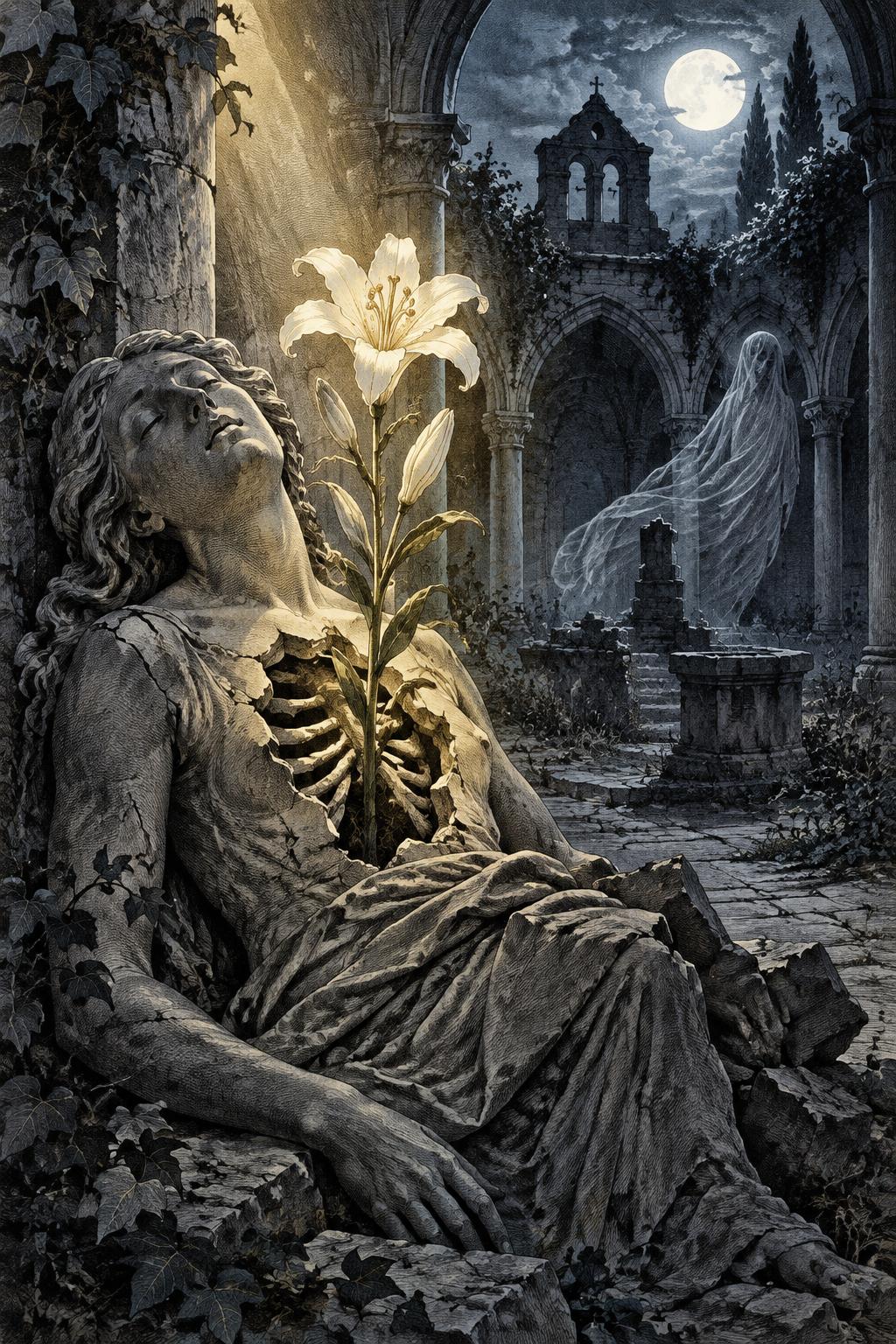
Classic·Gothic Fiction
Gustavo Adolfo Bécquer
Step into the dark, haunting world of Spanish Romanticism with Gustavo Adolfo Bécquer’s legendary tales of ghosts and the supernatural.
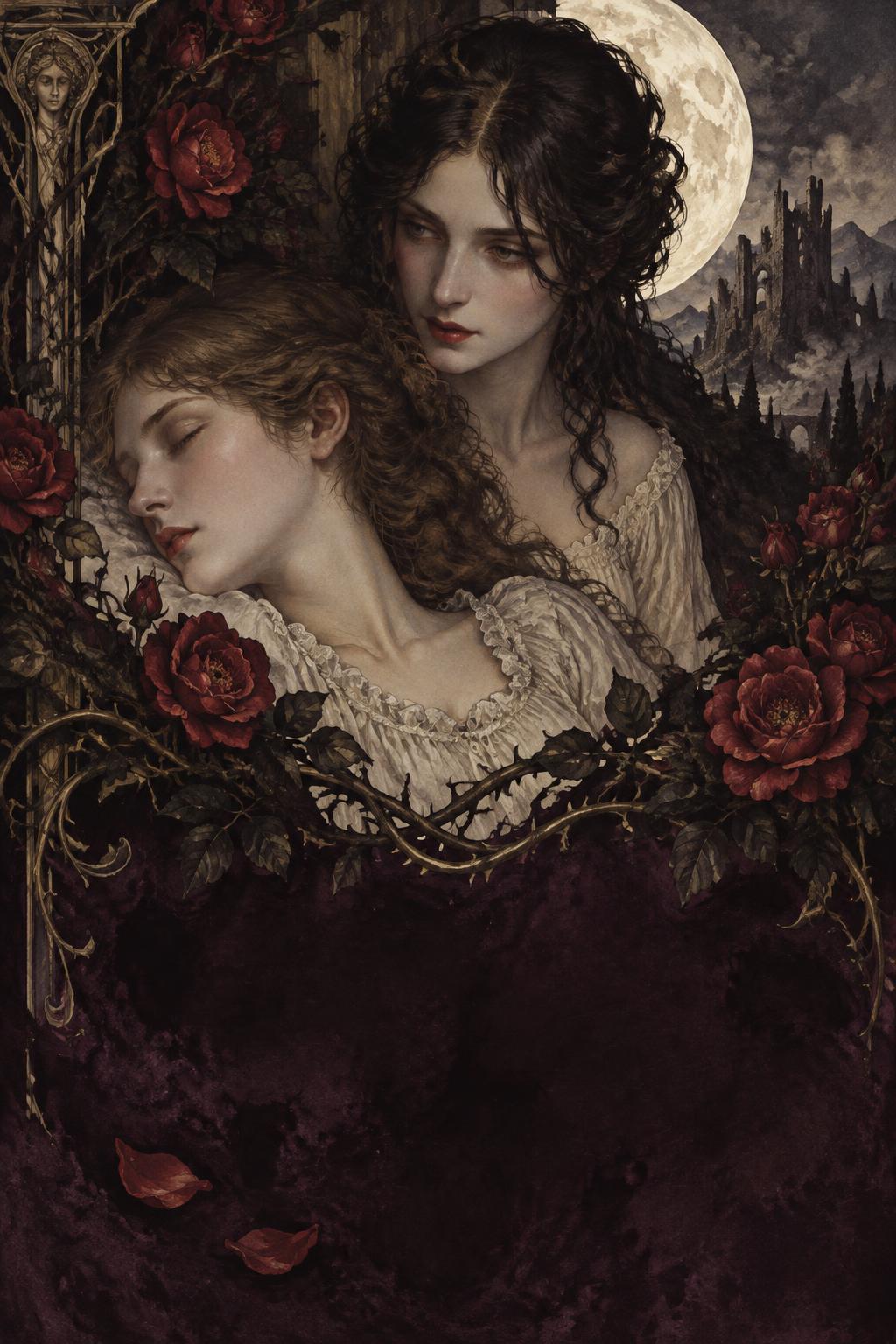
Classic·Gothic Fiction
Joseph Sheridan Le Fanu
Before Dracula stalked London, a seductive stranger haunted an isolated Austrian castle with an intoxicating, predatory intimacy.
Public-domain work (1910). Text: Project Gutenberg #175. The Spanish version is an AI-assisted translation and may contain errors. Digital edition by Inkora Stories. Learn more