Classic·Gothic Fiction
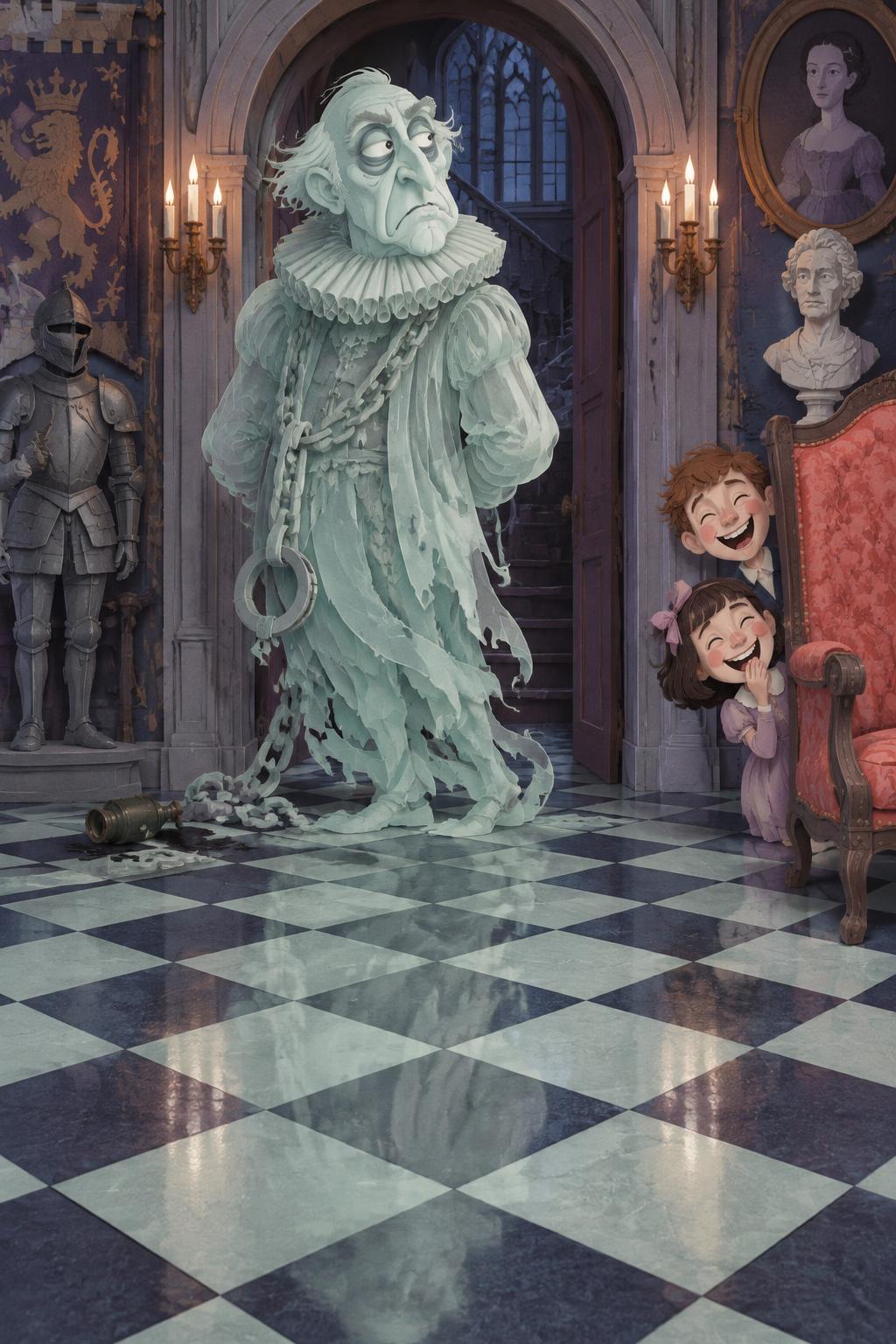
The Canterville Ghost
Oscar Wilde
An ancient aristocratic phantom meets his match in an unapologetically modern American family determined not to be spooked.
Shared themes:Gothic horror
7 episodesDiscover
“What dark price would you pay if a portrait aged with your sins while you remained forever young?”
In the gilded drawing rooms of late-Victorian London, the dazzlingly handsome Dorian Gray sits for a portrait by the devoted artist Basil Hallward. Seduced by the radical hedonism of Lord Henry Wotton, Dorian utters a fateful wish: to retain his breathtaking youth while the canvas bears the toll of years and transgression. As Dorian abandons himself to a secret life of libertine excess and cruelty, his flesh remains untouched by time, while the locked-away painting festers with the true weight of his corrupted spirit. A brilliant, chilling exploration of vanity, aestheticism, and moral decay.
““It is your best work, Basil, the best thing you have ever done,” said Lord Henry languidly.”
““I don’t agree with a single word that you have said, and, what is more, Harry, I feel sure you don’t either.””
““You have not spoiled my pleasure in meeting you, Mr. Gray,” said Lord Henry, stepping forward and extending his hand.”
“They moved, as he spoke, like music, and seemed to have a language of their own.”
““I am glad you appreciate my work at last, Dorian,” said the painter coldly when he had recovered from his surprise.”
““We are talking about poor Dartmoor, Lord Henry,” cried the duchess, nodding pleasantly to him across the table.”
““It is only the sacred things that are worth touching, Dorian,” said Lord Henry, with a strange touch of pathos in his voice.”
“Sometimes this was the effect of art, and chiefly of the art of literature, which dealt immediately with the passions and the intellect.”
““He is not a gentleman, Mother, and I hate the way he talks to me,” said the girl, rising to her feet and going over to the window.”
““Oh! that you will be a good boy and not forget us,” she answered, smiling at him.”
““No, Harry,” answered the artist, giving his hat and coat to the bowing waiter.”
““To be good is to be in harmony with one’s self,” he replied, touching the thin stem of his glass with his pale, fine-pointed fingers.”
“She rose from her knees and, with a piteous expression of pain in her face, came across the room to him.”
“And to-night I am to dine with you, and then go on to the opera, and sup somewhere, I suppose, afterwards.”
““We are only at the beginning of our friendship, Dorian,” answered Lord Henry, shaking him by the hand.”
““My dear Basil, how do I know?” murmured Dorian Gray, sipping some pale-yellow wine from a delicate, gold-beaded bubble of Venetian glass and looking dreadfully bored.”
““Basil!” cried the lad, clutching the arms of his chair with trembling hands and gazing at him with wild startled eyes.”
““And here is the key, sir,” said the old lady, going over the contents of her bunch with tremulously uncertain hands.”
““Always glad to have a rest, Mr. Gray,” answered the frame-maker, who was still gasping for breath.”
“And, indeed, the whole book seemed to him to contain the story of his own life, written before he had lived it.”
“This taste enthralled him for years, and, indeed, may be said never to have left him.”
“He used to wonder at the shallow psychology of those who conceive the ego in man as a thing simple, permanent, reliable, and of one essence.”
“It was on the ninth of November, the eve of his own thirty-eighth birthday, as he often remembered afterwards.”
“Yes: you led them there, and yet you can smile, as you are smiling now.”
““You are mad, Dorian, or playing a part,” muttered Hallward, frowning.”
“Dorian was sleeping quite peacefully, lying on his right side, with one hand underneath his cheek.”
“Besides, without my stirring in the matter, you are certain to be arrested.”
““A thousand pardons, my dear Lady Ruxton,” she added, “I didn’t see you hadn’t finished your cigarette.””
““To cure the soul by means of the senses, and the senses by means of the soul!””
““Good night,” answered the young man, passing up the steps and wiping his parched mouth with a handkerchief.”
““But I don’t want to be rechristened, Harry,” rejoined the duchess, looking up at him with her wonderful eyes.”
“The consciousness of being hunted, snared, tracked down, had begun to dominate him.”
““I wish I could love,” cried Dorian Gray with a deep note of pathos in his voice.”
““And weep over a faithless Florizel,” said Lord Henry, laughing, as he leaned back in his chair.”
““By the way, Dorian,” he said after a pause, “‘what does it profit a man if he gain the whole world and lose—how does the quotation run?—his own soul’?””
“As he strolled home, smoking his cigarette, two young men in evening dress passed him.”
Classic·Gothic Fiction
Oscar Wilde
An ancient aristocratic phantom meets his match in an unapologetically modern American family determined not to be spooked.
Classic·Gothic fiction
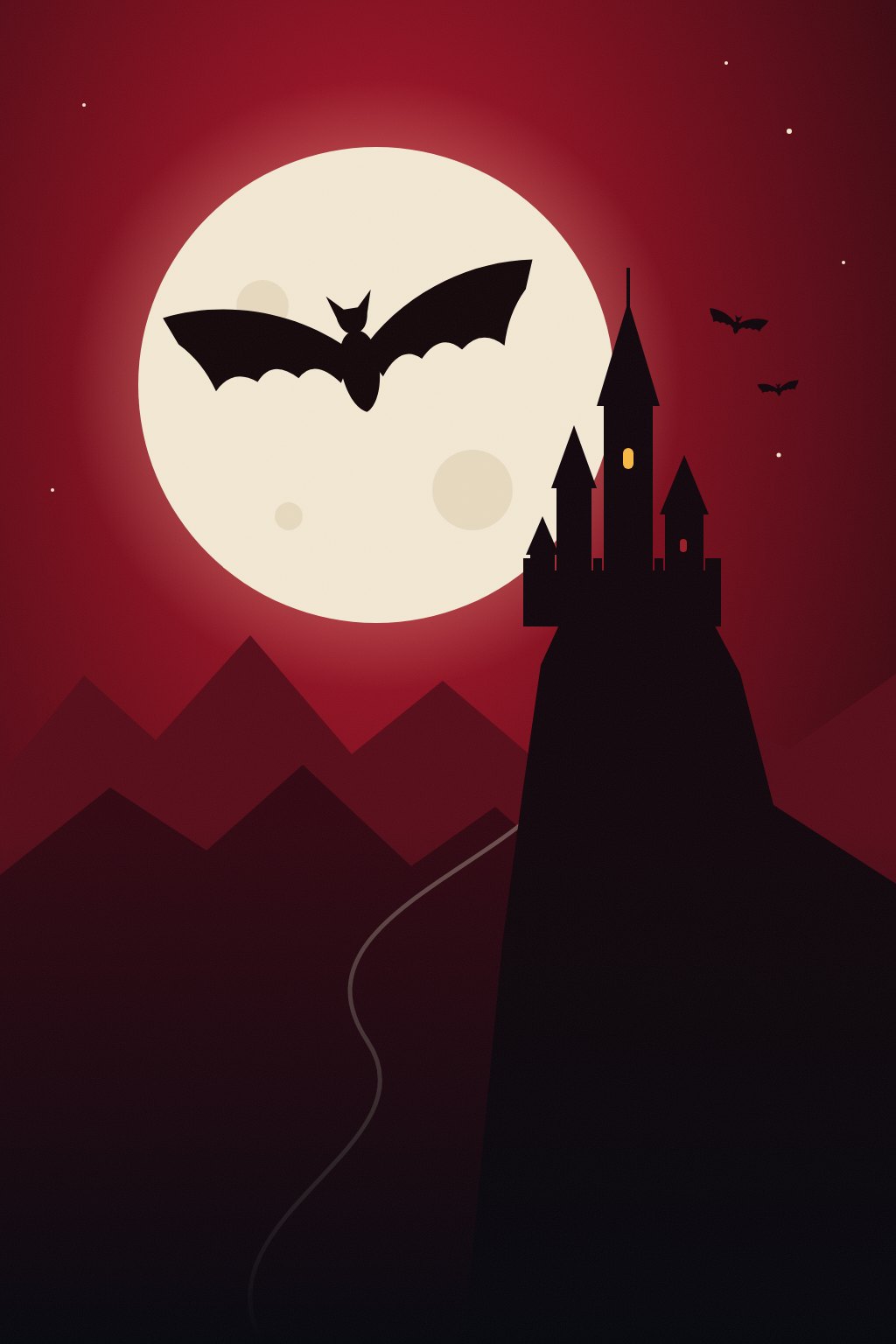
Bram Stoker
When Count Dracula leaves the Carpathians for London, ancient terror crosses the threshold of the modern world.
Classic·Gothic Fiction
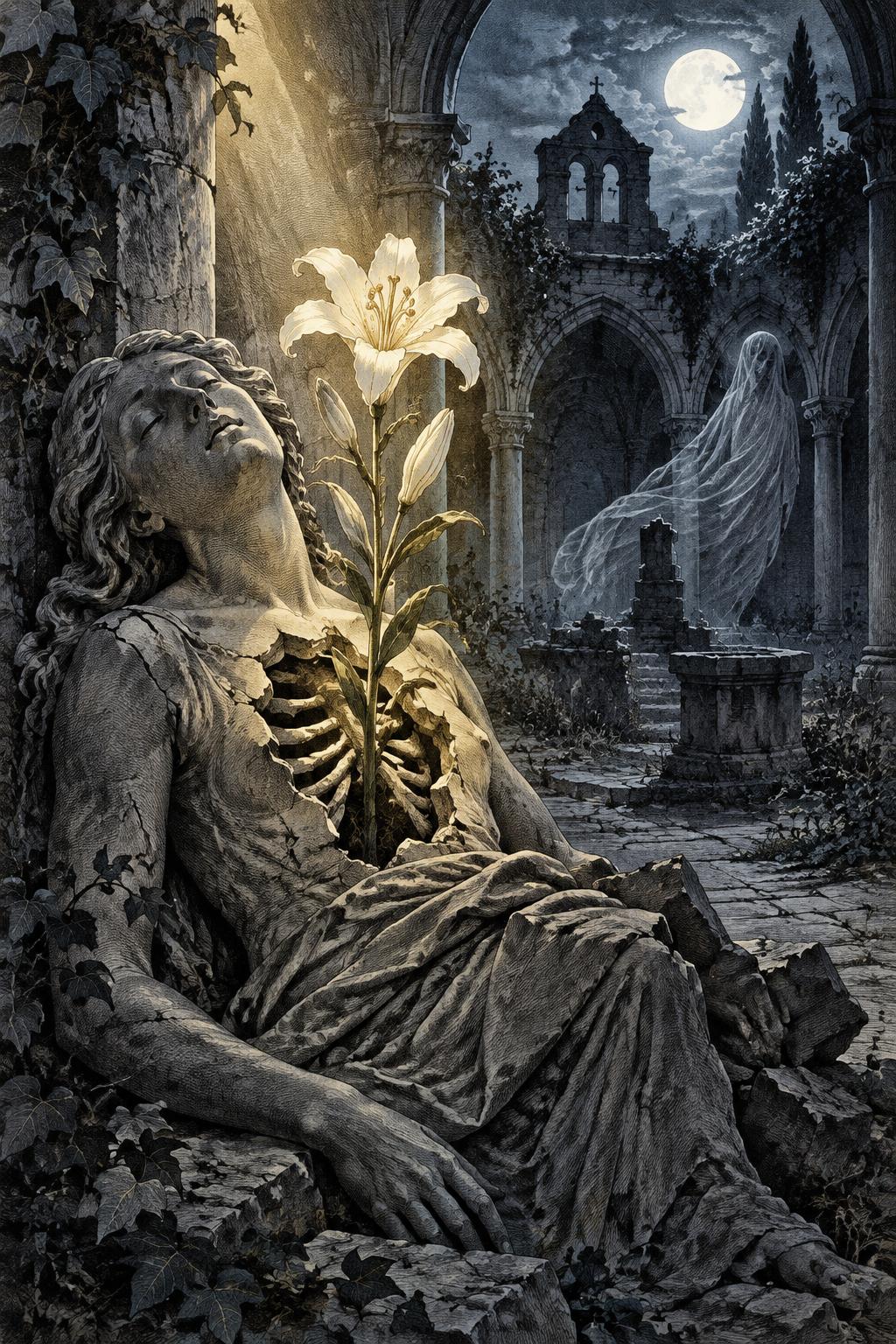
Gustavo Adolfo Bécquer
Step into the dark, haunting world of Spanish Romanticism with Gustavo Adolfo Bécquer’s legendary tales of ghosts and the supernatural.
Public-domain work (1890). Text: Project Gutenberg #174. The Spanish version is an AI-assisted translation and may contain errors. Digital edition by Inkora Stories. Learn more