Classic·Cosmic Horror
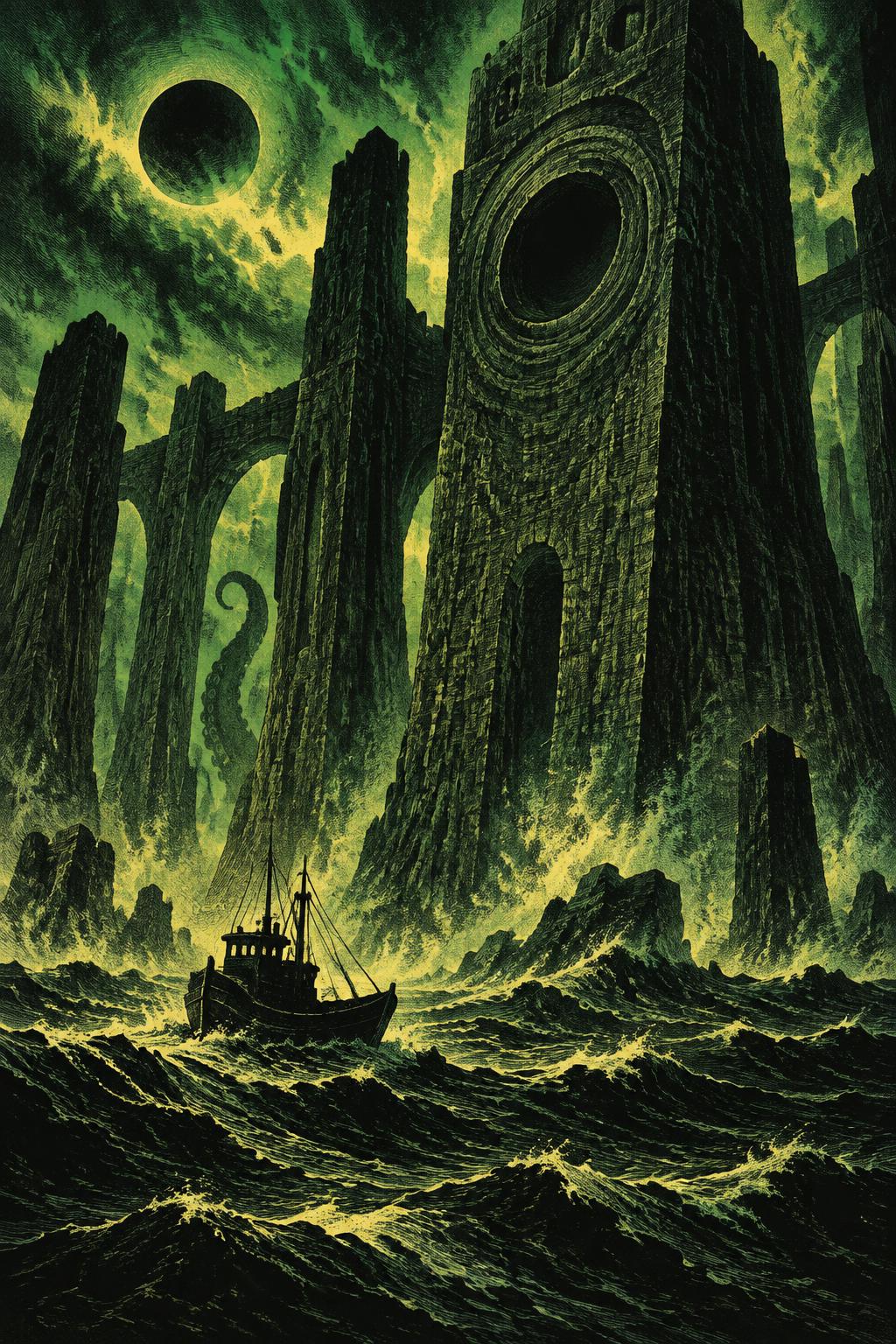
The Call of Cthulhu
H. P. Lovecraft
A scholar's hidden legacy unlocks an ancient, maddening truth waiting in the dark abysses of the earth.
Shared themes:Cosmic horror
6 episodesDiscover

“A forbidden play promises exquisite beauty in its first act and total madness in its second. Dare to look upon Carcosa.”
Whispered about in Parisian studios and shadowed Manhattan parlors, a lethal stage play titled The King in Yellow drives anyone who reads beyond its first act into sublime, irrecoverable madness. Interweaving gothic romance, bohemian artist drama, and uncanny dread, this pioneering 1895 collection introduces the spectral city of Carcosa, twin suns, and the sinister Pallid Mask. Robert W. Chambers crafts a masterclass in psychological and cosmic horror, establishing enduring archetypes that profoundly shaped H. P. Lovecraft and redefined the boundaries of weird fiction.
“Nobody envied the Secretary of Fine Arts, either his cabinet position or his portfolio.”
“He looked up, and catching sight of me cried in his deep, hearty voice, “Come in, Mr. Castaigne!””
“He was very small, scarcely higher than a child of ten, but his arms were magnificently developed, and his thighs as thick as any athlete’s.”
““I suppose you mean that I was simply acknowledged never to have been insane.””
“The mirror reflected a face which was like my own, but whiter, and so thin that I hardly recognized it.”
“I gave him money, I don’t know why, and he went away without thanking me.”
““There is one thing I’m curious about,” I said, “and that is where the ray of sunlight came from.””
““In Heaven’s name, why do you keep a small lake of that gruesome stuff here of all places?””
““Jack, I want Boris at once; and take my dearest greeting to Geneviève....””
“It was plain I could not stay, so I locked every door, every window, and the three front and back gates, and went away.”
“I had never yet done such a thing in my life, but now I felt a desire to mock.”
“Late in the afternoon, the day being warm, I raised the window again and leaned out to get a sniff of air.”
“In one thing alone, except my painting, was I serious, and that was something which lay hidden if not lost in the Breton forests.”
“If I ever had had any curiosity to read it, the awful tragedy of young Castaigne, whom I knew, prevented me from exploring its wicked pages.”
““It’s a bad place for a stranger,” old Goulven had said: “you’d better take a guide;” and I had replied, “I shall not lose myself.””
““Mount!” cried a voice in Breton, and with a clatter of hoofs the two falconers, with falcons upon their wrists, rode into the courtyard among the hounds.”
““That is all,—that is what I wished,” she sighed,—“Philip and Jeanne.””
“The cat on his knee rose, arched her back, yawned, and looked up at him.”
“The girl drew her chair nearer the window, and choosing a large needle, threaded it, knotting the thread over her fingers.”
““You lie, you hound!” screamed Hartman, and flung the bottle in his hand straight at West’s face.”
““Take it easy,” observed Thorne, with a remnant of manners; “you are not the host, you know.””
““How the scoundrel did stare,” he said; “your evidence was worse than a kick, but it saved his skin for the moment at least,—and prevented complications.””
“A hussar passed like the wind, followed by another and another, and then squadron after squadron whirled by them into the sheeted mists.”
““Anybody hurt?” he inquired, struggling with a sleeve full of dilapidated lining.”
“The dining-room door, just beyond, was open, and from the table in plain view a stout woman hastily arose and came toward them.”
““I am sure I shall like it,” he replied, wondering at his own depression of spirits.”
“The officer glared for a moment in silence, then deciding that as he was a student he was wicked, grabbed at the dog, who promptly dodged.”
““Yes, Squeedunk or Oshkosh, and how he ever grew up among the daisies and escaped the cows, Heaven alone knows!””
““Oh,” she said, with a toss of her small head, “I really forget what we were speaking of.””
““You shut up,” he observed to Clifford, “it’s fate, and that settles it.””
““Monsieur Clifford,” said the concierge with fine irony, “will be pleased to see you, as he retired early; in fact he has just come in.””
““It’s a little noisy here,” said Clifford, “but you will like the fellows when you know them.””
“Sunday morning, apropos of nothing at all, he thought of Rue Barrée, and ten seconds afterwards he saw her.”
““N—no,—I’m very fond of flowers,” said Selby, but the statement lacked enthusiasm.”
“A fourth was scented, followed, outflanked, his retreat towards the door cut off, and finally captured behind the stove.”
“It would never do, and Selby felt it, so he went to see Clifford, who was convalescing on mint juleps in his garden.”
Classic·Cosmic Horror
H. P. Lovecraft
A scholar's hidden legacy unlocks an ancient, maddening truth waiting in the dark abysses of the earth.
Classic·Gothic fiction
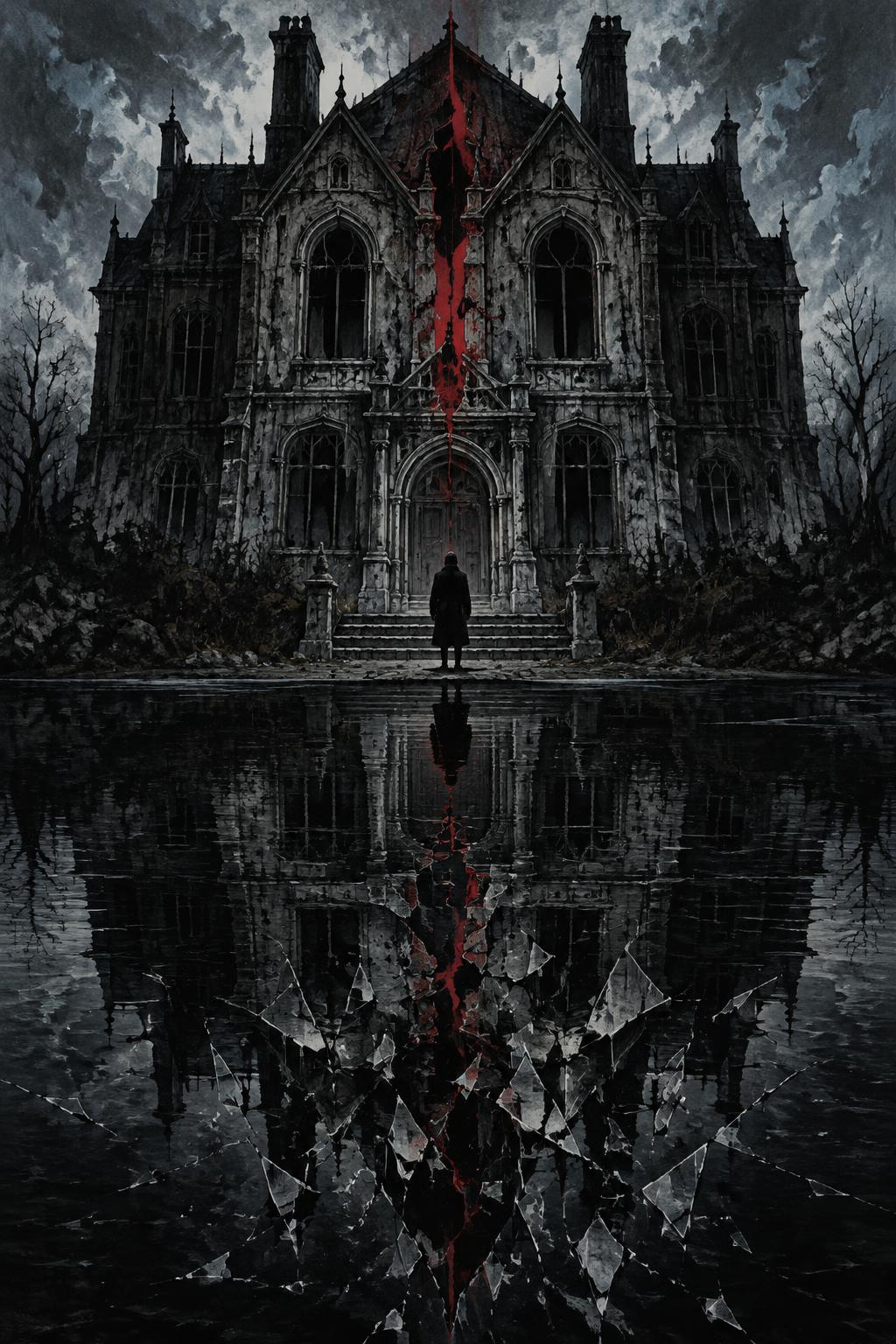
Edgar Allan Poe
An urgent summons draws a traveler into a crumbling ancestral mansion where madness, terror, and dark family secrets fester.
Classic·Gothic fiction
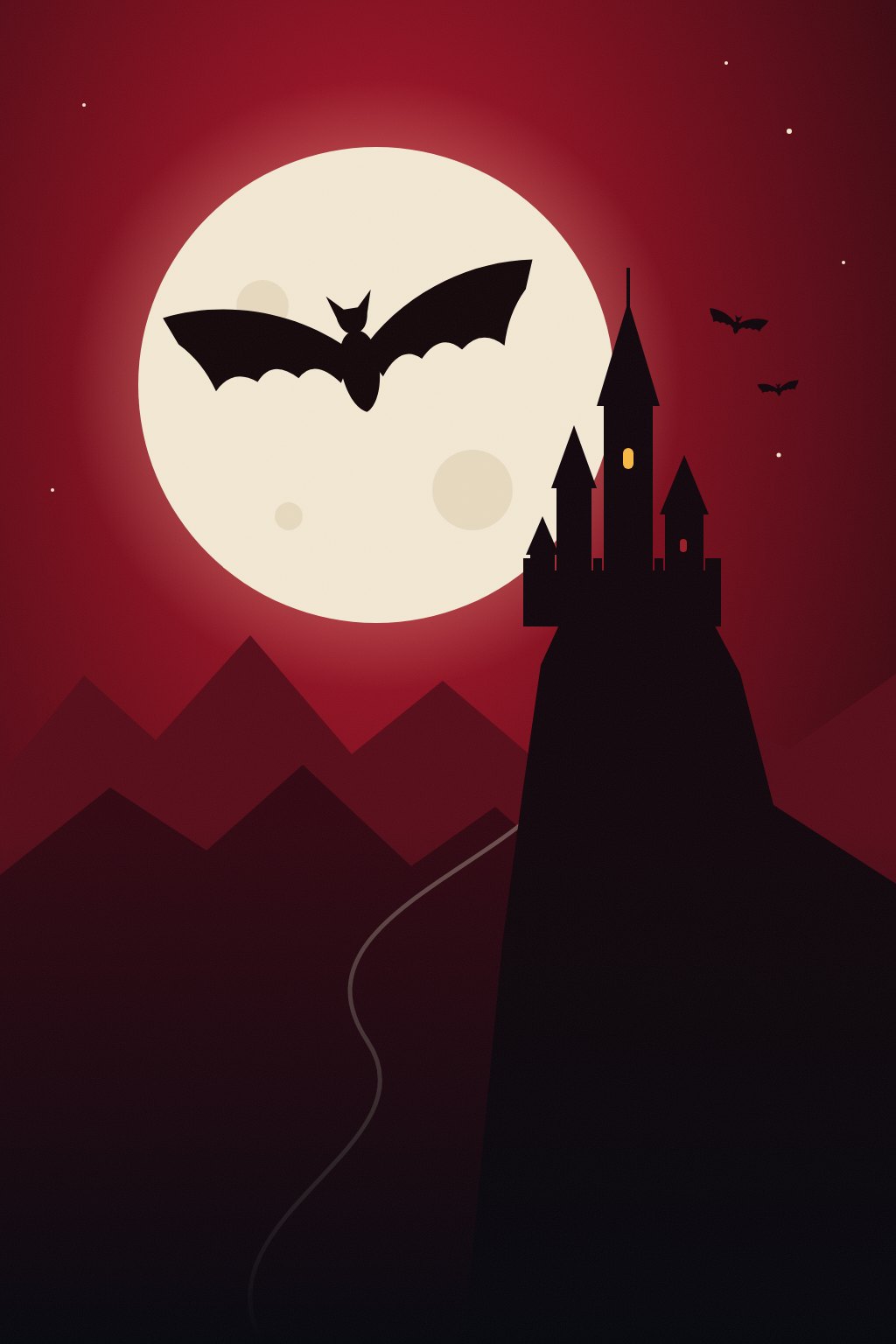
Bram Stoker
When Count Dracula leaves the Carpathians for London, ancient terror crosses the threshold of the modern world.
Public-domain work (1895). Text: Project Gutenberg #8492. The Spanish version is an AI-assisted translation and may contain errors. Digital edition by Inkora Stories. Learn more