Classic·Gothic Fiction
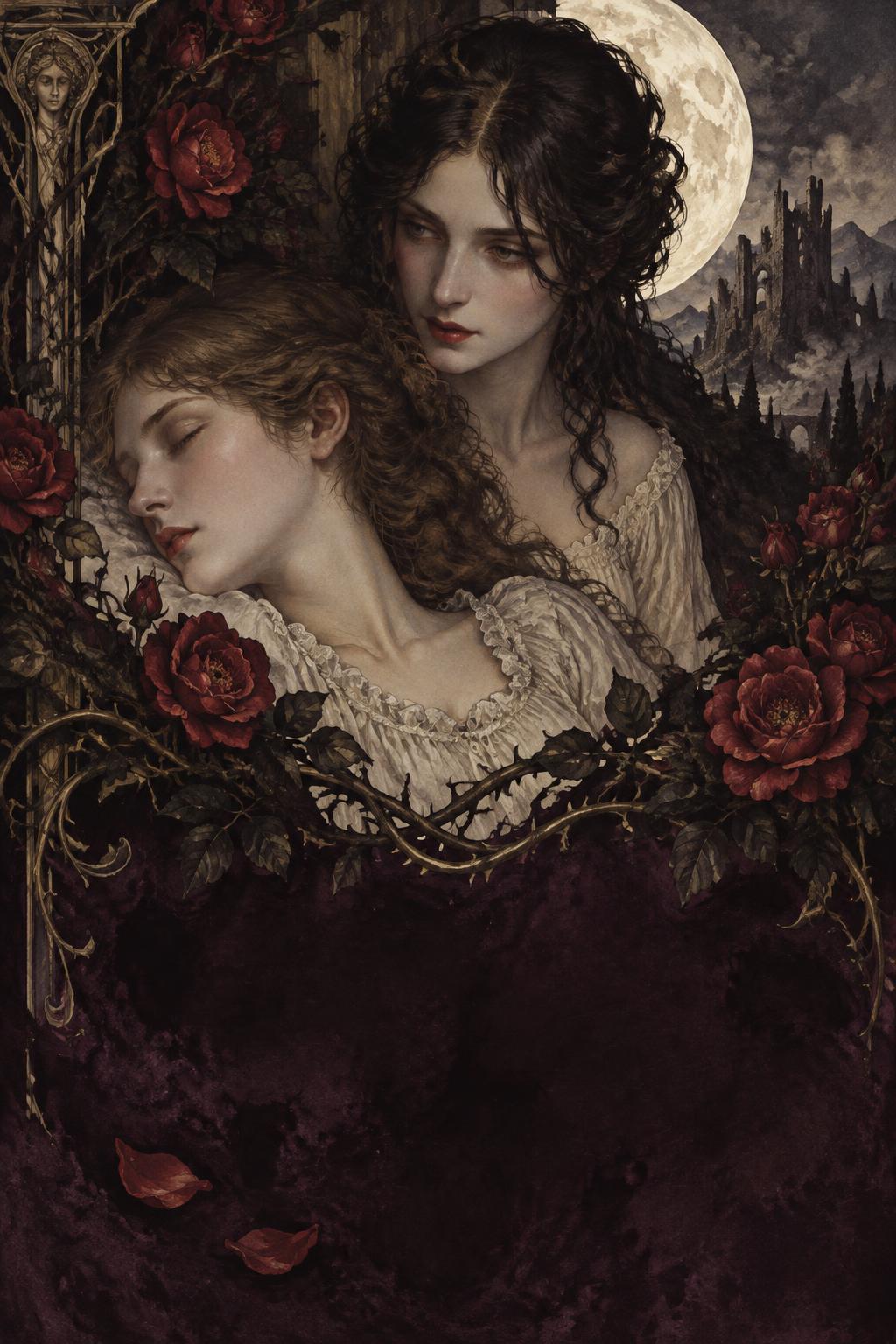
Carmilla
Joseph Sheridan Le Fanu
Before Dracula stalked London, a seductive stranger haunted an isolated Austrian castle with an intoxicating, predatory intimacy.
Shared themes:Gothic horror
18 episodesDiscover
Frankenstein; or, The Modern Prometheus
Complete work
“An obsession with defying mortality gives birth to a nameless creature and unleashes an enduring nightmare of ambition and remorse.”
Driven by a feverish thirst for scientific glory, Victor Frankenstein uncovers the primordial secret of life and bestows animation upon a creature crafted from charnel fragments. Horrified by the grotesque reality of his triumph, he abandons his creation to the elements. Spurned by humanity and starving for empathy, the abandoned being wanders an unforgiving world, discovering that innocence unrequited easily curdles into vengeance. Mary Shelley’s groundbreaking masterpiece is both an atmospheric Gothic tragedy and the foundation of modern science fiction, questioning what happens when human ambition outpaces moral conscience.
“There, Margaret, the sun is for ever visible, its broad disk just skirting the horizon and diffusing a perpetual splendour.”
“You may deem me romantic, my dear sister, but I bitterly feel the want of a friend.”
“Be assured that for my own sake, as well as yours, I will not rashly encounter danger.”
“I once had a friend, the most noble of human creatures, and am entitled, therefore, to judge respecting friendship.”
“One of his most intimate friends was a merchant who, from a flourishing state, fell, through numerous mischances, into poverty.”
“Harmony was the soul of our companionship, and the diversity and contrast that subsisted in our characters drew us nearer together.”
“I regret that I am taken from you; and, happy and beloved as I have been, is it not hard to quit you all?”
“Partly from curiosity and partly from idleness, I went into the lecturing room, which M. Waldman entered shortly after.”
“From this day natural philosophy, and particularly chemistry, in the most comprehensive sense of the term, became nearly my sole occupation.”
“No one can conceive the variety of feelings which bore me onwards, like a hurricane, in the first enthusiasm of success.”
“But it was in vain; I slept, indeed, but I was disturbed by the wildest dreams.”
“You are forbidden to write—to hold a pen; yet one word from you, dear Victor, is necessary to calm our apprehensions.”
“The Persian, Arabic, and Sanskrit languages engaged his attention, and I was easily induced to enter on the same studies.”
“What would be your surprise, my son, when you expected a happy and glad welcome, to behold, on the contrary, tears and wretchedness?”
“No one can conceive the anguish I suffered during the remainder of the night, which I spent, cold and wet, in the open air.”
“She was dressed in mourning, and her countenance, always engaging, was rendered, by the solemnity of her feelings, exquisitely beautiful.”
““Yes,” said Elizabeth, “I will go, although she is guilty; and you, Victor, shall accompany me; I cannot go alone.””
“But I was restrained, when I thought of the heroic and suffering Elizabeth, whom I tenderly loved, and whose existence was bound up in mine.”
“They elevated me from all littleness of feeling, and although they did not remove my grief, they subdued and tranquillised it.”
“By degrees, I remember, a stronger light pressed upon my nerves, so that I was obliged to shut my eyes.”
“It was indeed a paradise compared to the bleak forest, my former residence, the rain-dropping branches, and dank earth.”
“If such lovely creatures were miserable, it was less strange that I, an imperfect and solitary being, should be wretched.”
“Agatha asked a question, to which the stranger only replied by pronouncing, in a sweet accent, the name of Felix.”
“The young girl spoke in high and enthusiastic terms of her mother, who, born in freedom, spurned the bondage to which she was now reduced.”
“I learned, from the views of social life which it developed, to admire their virtues and to deprecate the vices of mankind.”
“‘By your language, stranger, I suppose you are my countryman; are you French?’”
“Why, in that instant, did I not extinguish the spark of existence which you had so wantonly bestowed?”
“On seeing me, he darted towards me, and tearing the girl from my arms, hastened towards the deeper parts of the wood.”
“You, my creator, would tear me to pieces and triumph; remember that, and tell me why I should pity man more than he pities me?”
“It was after my return from one of these rambles that my father, calling me aside, thus addressed me,”
“I threw myself into the carriage that was to convey me away, hardly knowing whither I was going, and careless of what was passing around.”
“But busy, uninteresting, joyous faces brought back despair to my heart.”
“We left Edinburgh in a week, passing through Coupar, St. Andrew’s, and along the banks of the Tay, to Perth, where our friend expected us.”
“I trembled and my heart failed within me, when, on looking up, I saw by the light of the moon the dæmon at the casement.”
“The sky became clouded, but the air was pure, although chilled by the northeast breeze that was then rising.”
“He walked on first, carrying a part of the fishing tackle, and his companions followed him at some distance.”
““Your family is perfectly well,” said Mr. Kirwin with gentleness; “and someone, a friend, is come to visit you.””
“Human beings, their feelings and passions, would indeed be degraded if such a wretch as I felt pride.”
“I neither spoke nor looked at anyone, but sat motionless, bewildered by the multitude of miseries that overcame me.”
“The wind, which had fallen in the south, now rose with great violence in the west.”
““Be assured, sir,” said he, “no pains or exertions on my part shall be spared to discover the villain.””
“I provided myself with a sum of money, together with a few jewels which had belonged to my mother, and departed.”
“I had determined, if you were going southwards, still to trust myself to the mercy of the seas rather than abandon my purpose.”
“How all this will terminate, I know not, but I had rather die than return shamefully, my purpose unfulfilled.”
“No guilt, no mischief, no malignity, no misery, can be found comparable to mine.”
Classic·Gothic Fiction
Joseph Sheridan Le Fanu
Before Dracula stalked London, a seductive stranger haunted an isolated Austrian castle with an intoxicating, predatory intimacy.
Classic·Gothic fiction
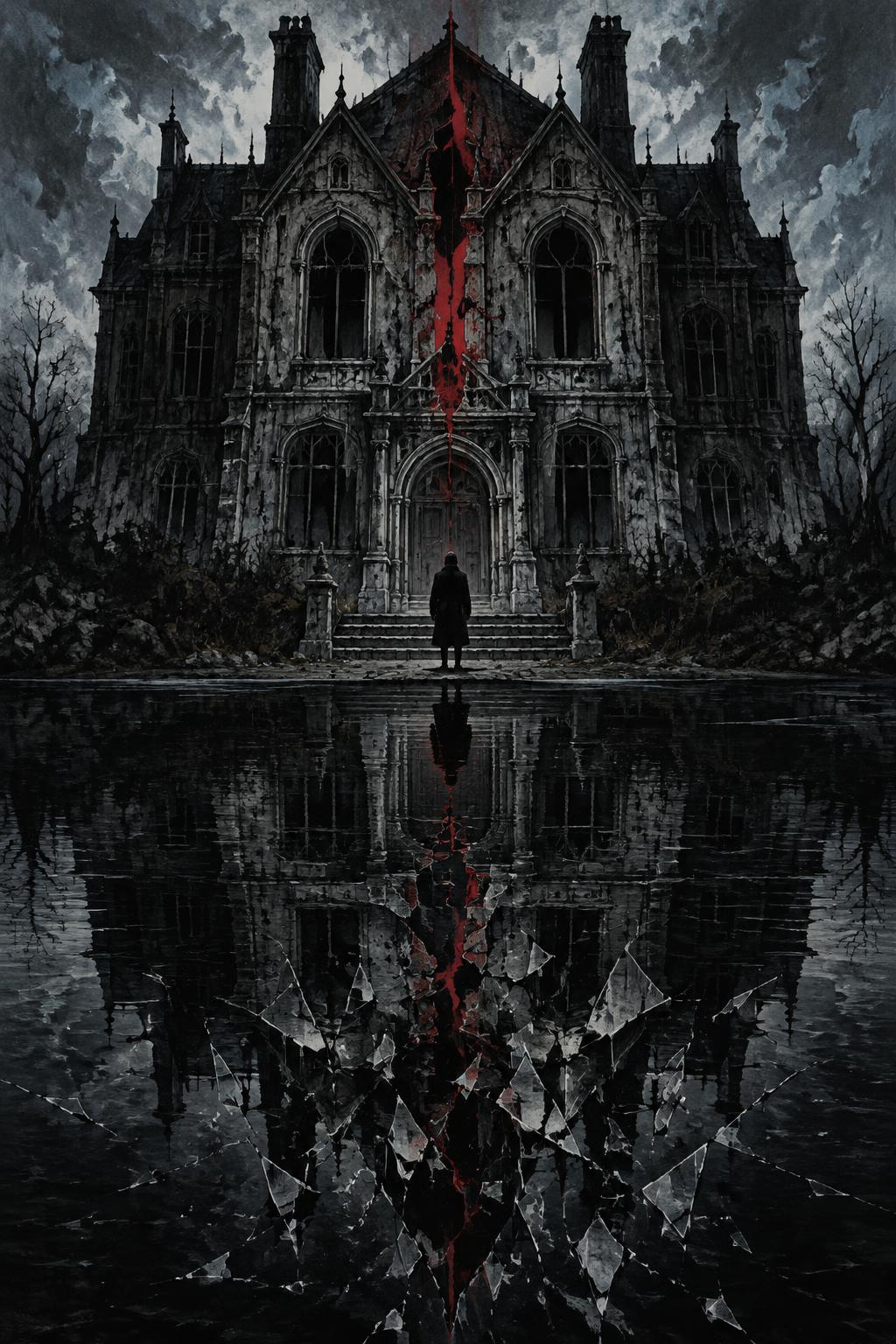
Edgar Allan Poe
An urgent summons draws a traveler into a crumbling ancestral mansion where madness, terror, and dark family secrets fester.

Classic·Gothic fiction
Bram Stoker
When Count Dracula leaves the Carpathians for London, ancient terror crosses the threshold of the modern world.
Public-domain work (1818). Text: Project Gutenberg #84. The Spanish version is an AI-assisted translation and may contain errors. Digital edition by Inkora Stories. Learn more