
Short Story·Literary Fiction
Last Night of the Pirate Radio
Héctor Salcedo
Bogotá, 1987: an underground station broadcasts its final four hours before the authorities cut the signal.
Shared themes:Historical fiction
4 episodesDiscover
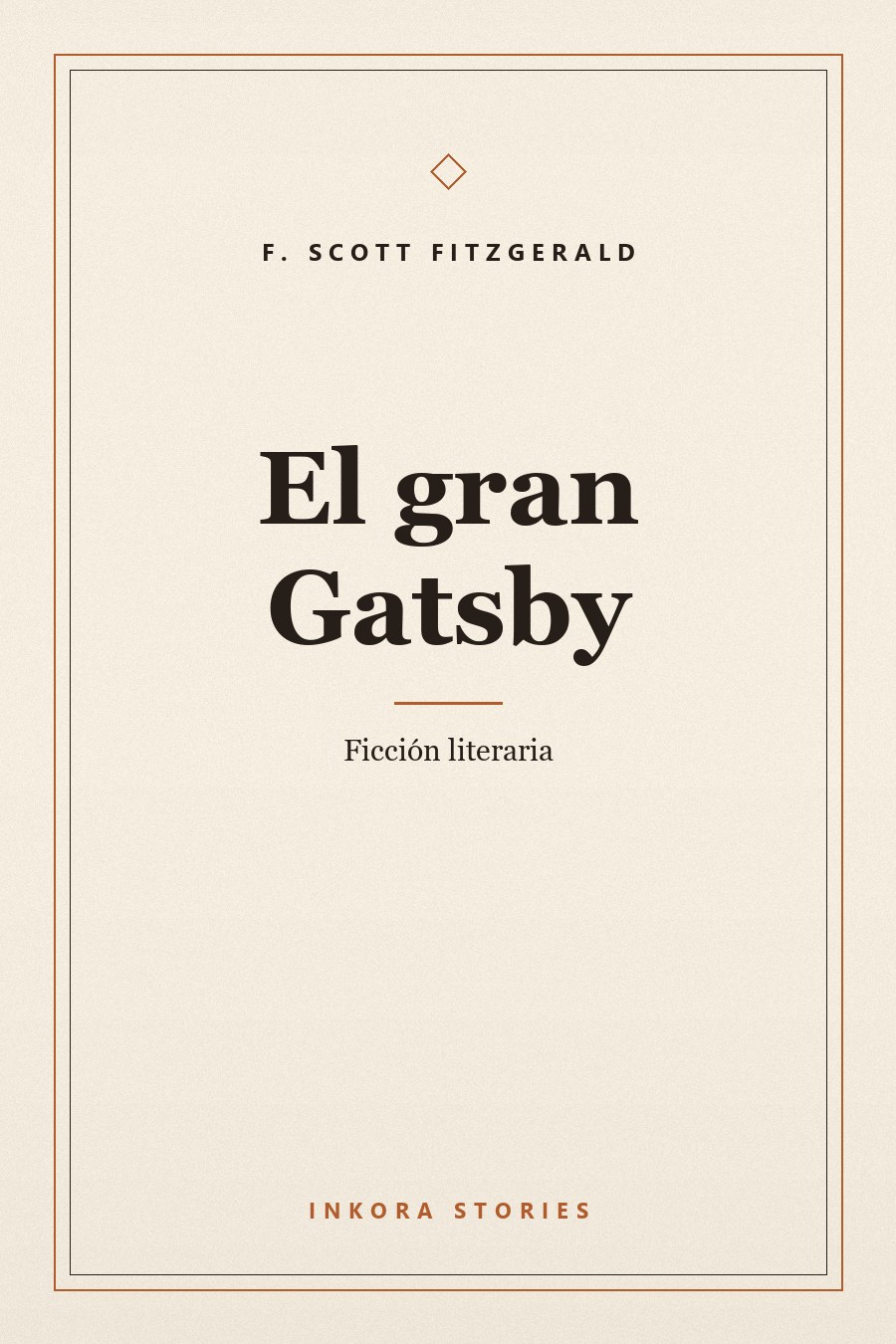
“In the dazzling glare of Roaring Twenties Long Island, a mysterious tycoon pursues an impossible dream across a glittering bay.”
In the opulent summer of 1922, young bond salesman Nick Carraway rents a modest cottage in Long Island's West Egg, adjacent to the palatial estate of Jay Gatsby. Gatsby is an enigmatic millionaire renowned for lavish, decadent parties, yet he remains aloof, fixated on the green light pulsing across the water at the home of his lost love, Daisy Buchanan. Drawn into Gatsby's inner circle, Nick witnesses an intoxicating spectacle of wealth, longing, and delusion, exposing the moral rot lurking beneath the gilded veneer of the American dream.
““Whenever you feel like criticizing anyone,” he told me, “just remember that all the people in this world haven’t had the advantages that you’ve had.””
“I looked back at my cousin, who began to ask me questions in her low, thrilling voice.”
““Well, I’ve had a very bad time, Nick, and I’m pretty cynical about everything.””
“They look out of no face, but, instead, from a pair of enormous yellow spectacles which pass over a nonexistent nose.”
““Get some more ice and mineral water, Myrtle, before everybody goes to sleep.””
“Laughter is easier minute by minute, spilled with prodigality, tipped out at a cheerful word.”
“I had taken two finger-bowls of champagne, and the scene had changed before my eyes into something significant, elemental, and profound.”
“Then, taking a long breath and straightening his shoulders, he remarked in a determined voice:”
““He’s a bootlegger,” said the young ladies, moving somewhere between his cocktails and his flowers.”
““I was able to do the commissioner a favour once, and he sends me a Christmas card every year.””
“I was walking along from one place to another, half on the sidewalks and half on the lawns.”
““I’m going to call up Daisy tomorrow and invite her over here to tea.””
““I did, old sport,” he said automatically, “but I lost most of it in the big panic—the panic of the war.””
“The truth was that Jay Gatsby of West Egg, Long Island, sprang from his Platonic conception of himself.”
““I’d a little rather not be the polo player,” said Tom pleasantly, “I’d rather look at all these famous people in—in oblivion.””
“Wondering if he were sick I went over to find out—an unfamiliar butler with a villainous face squinted at me suspiciously from the door.”
““But I need money pretty bad, and I was wondering what you were going to do with your old car.””
““There, Jay,” she said—but her hand as she tried to light a cigarette was trembling.”
““If somebody’ll come here and sit with him,” he snapped authoritatively.”
““I waited, and about four o’clock she came to the window and stood there for a minute and then turned out the light.””
““Suppose I don’t go to Southampton, and come into town this afternoon?””
“Most of those reports were a nightmare—grotesque, circumstantial, eager, and untrue.”
““You young men think you can force your way in here any time,” she scolded.”
““Oh, and do you remember”—she added—“a conversation we had once about driving a car?””
Short Story·Literary Fiction
Héctor Salcedo
Bogotá, 1987: an underground station broadcasts its final four hours before the authorities cut the signal.
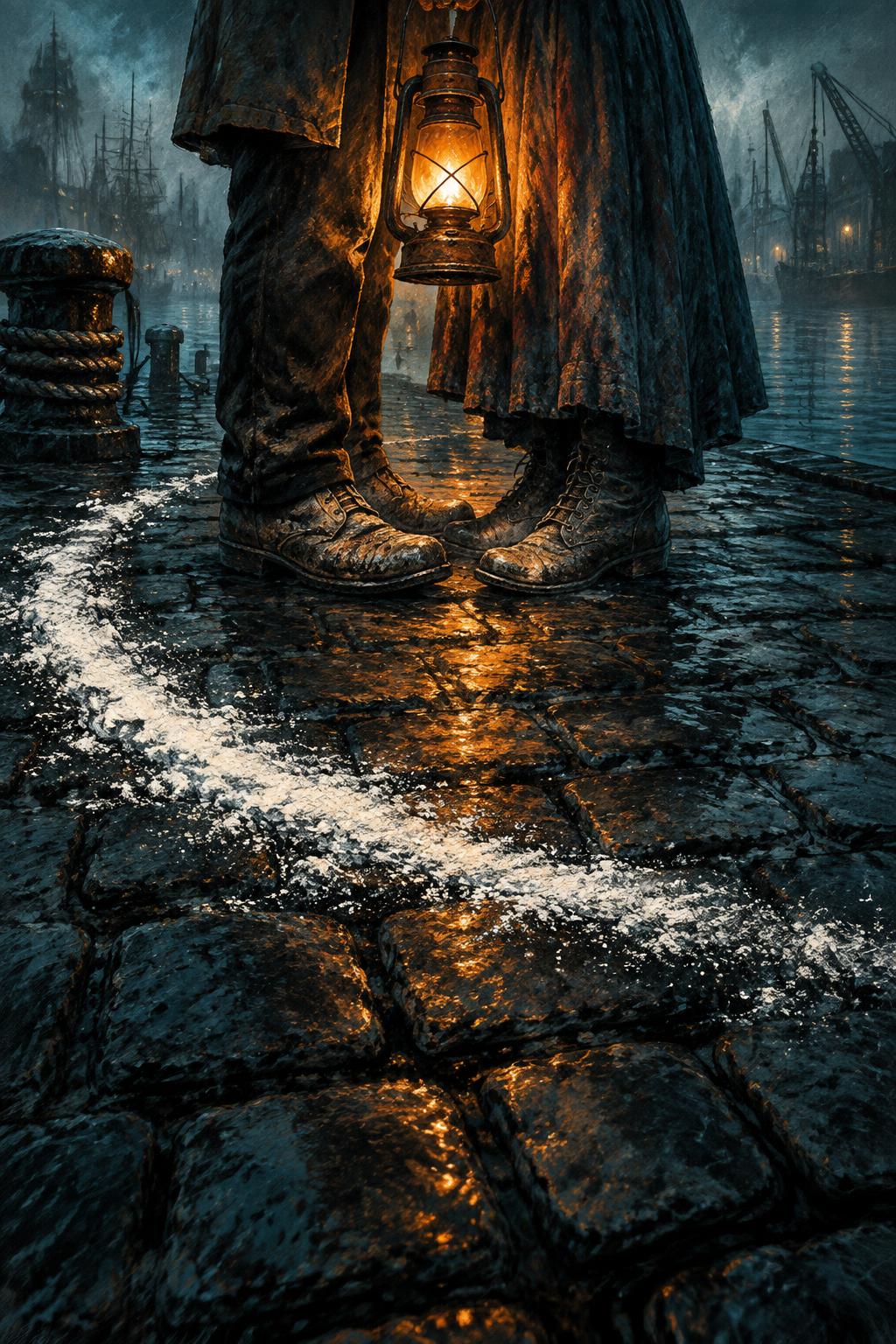
Short Story·Historical Fiction
Inés Montero
The plague has sealed the city. The half-dead man who falls against his door carries the seal of the man who ruined him.
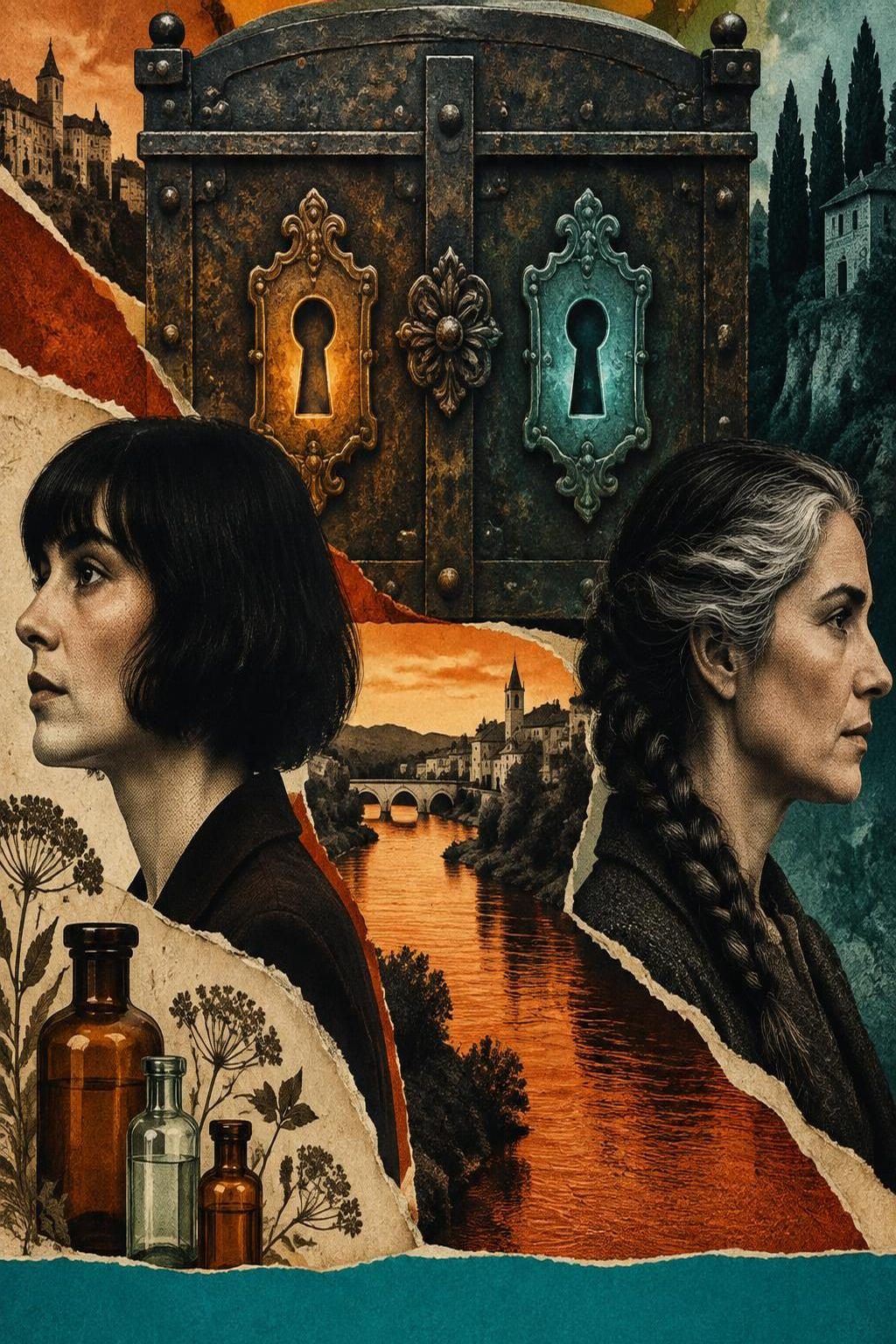
Short Story·Literary Fiction
Inés Montero
She returned to clear out her late father's apothecary; behind the camphor bottles lay a two-key strongbox and an unnamed legacy.
Public-domain work (1925). Text: Project Gutenberg #64317. The Spanish version is an AI-assisted translation and may contain errors. Digital edition by Inkora Stories. Learn more