Classic·Gothic fiction
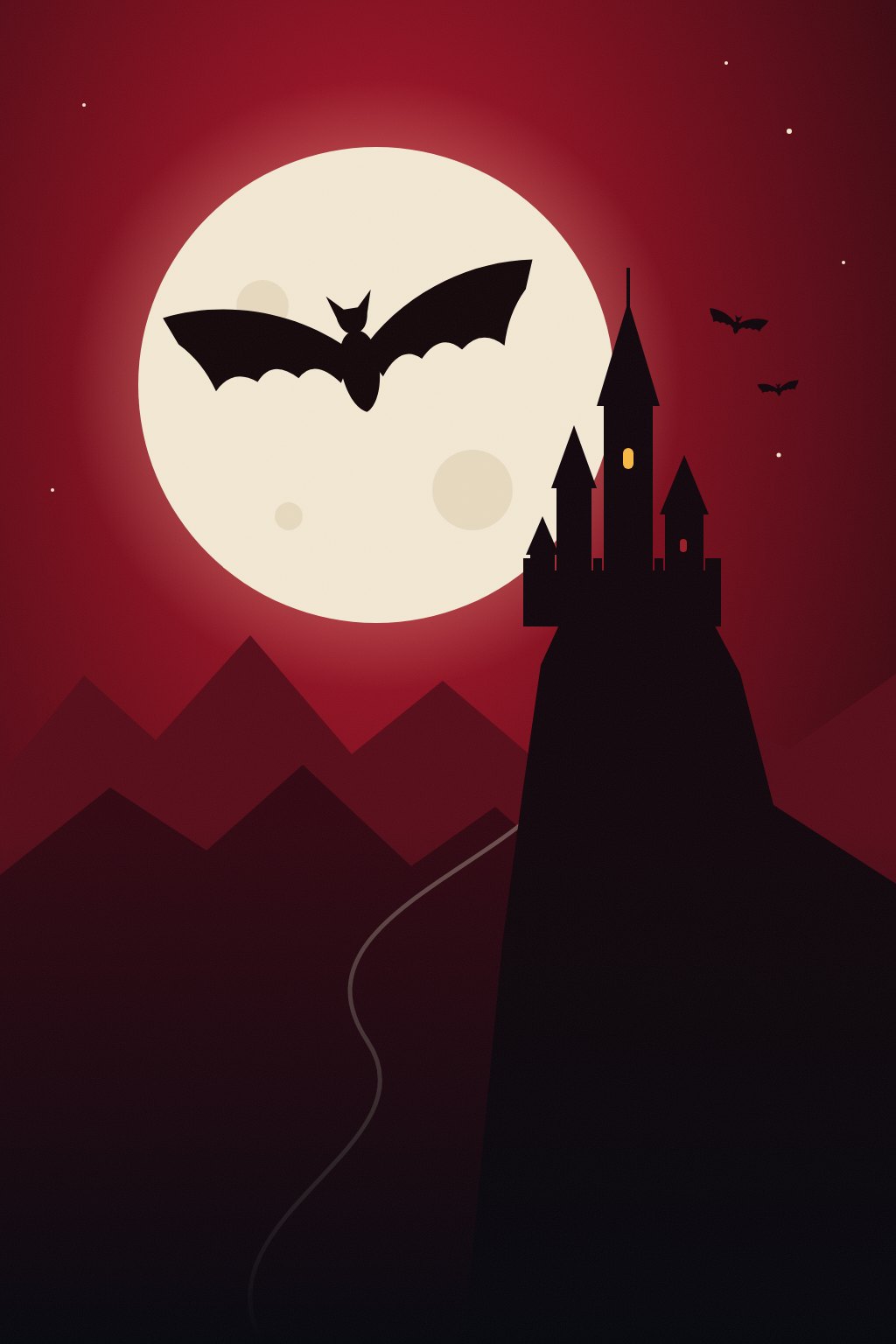
Dracula
Bram Stoker
When Count Dracula leaves the Carpathians for London, ancient terror crosses the threshold of the modern world.
Shared themes:#19th century
80 episodesDiscover
“A daring, unsentimental dissection of romantic passion, duty, and obsession from Spain’s pioneering nineteenth-century realist.”
Published in 1898, this compelling collection of short stories dissects the anatomy of affection with acute psychological insight and dramatic poise. Turning away from melodramatic clichés, Emilia Pardo Bazán probes the fractures within human desire, examining social expectation, disillusionment, jealousy, and unexpected tenderness across diverse corners of nineteenth-century society. Each narrative offers a rich, atmospheric vignette of the joys and cruelties that define romance and domestic life. This vital anthology captures one of Europe’s most formidable naturalists at the height of her inventive storytelling powers.
“I will not insist, having promised not to weary you, reader, at least wittingly.”
“Love, whom she believed she held in her arms, was deeper within, in her very heart; and Eve, in murdering him, had slain herself.”
“The others were filled with ribbons, jewels, trinkets, fans, and scented handkerchiefs.”
“María, thoughtful, tore up the note; but next day, when watering the plant, her heart leaped in her breast and her hand trembled.”
“In a voice scarcely audible, broken by sobs, she murmured slowly, as if wishing to engrave her words forever in my memory:”
“And the abandoned angel, feeling neither pain nor affront, mournfully murmured:”
“All my savings, and a good bit more, were about to be swallowed up in that pair of little studs, no larger than a tiny chickpea.”
““Marcelo seems to me too much of an idealist—Tresmes remarked in a disdainful tone.””
““I should dearly like to go down there,” thought the young mouse, without daring to say it aloud, out of sheer fear of his mother.”
““This I sell for ten escudos,” she exclaimed, “and let it be cut this very moment.””
““He must have been mad—we said, in order to comfort the priest, who had remained deeply dejected upon concluding his tale.””
“Upon the sparse, miserable grass that with difficulty sprang from the clayey soil, lay stretched a young woman of surprising beauty.”
“Hush!—exclaimed the narrator with a smile—; wait, wait, if that were all!”
“Elisa was a most unhappy woman throughout her married life, and died, while still young, worn out by grief.”
“Her ailment was nothing but desire, longing, haste, the need to marry.”
“A brilliant retinue of lords, warriors, bishops, pages, and ladies came solemnly to seek her out and escort her to the capital of her realm.”
“Doña Magdalena’s gaze seemed to me more tenacious, more intense, more sorrowful.”
“Leoncio, lively, dark, slender; Santiago, fair and somewhat stouter...”
“And then the husband, seeing his wife swoon in a mortal syncope, white as the pillow where she rested her waxen brow, asked the physician:”
“I seemed to see the picture, and could not console myself for not having witnessed it with my own eyes.”
“As Mendoza finished the sentence, Martina turned toward her father, who was walking behind, exclaiming:”
“Meanwhile the establishment prospered, and Riopardo, dark, clean-shaven, sleek, was acquiring that composure which accompanies prosperity.”
““And afterwards, without more ado, did you marry?—the friend inquired with malicious humour.””
““Well, the little niece was comfortable with the husband you chose...””
“Everyone will acknowledge that this state has little of the agreeable about it, and that Agustín was not happy, far from it.”
Classic·Gothic fiction
Bram Stoker
When Count Dracula leaves the Carpathians for London, ancient terror crosses the threshold of the modern world.
Classic·Young Adult
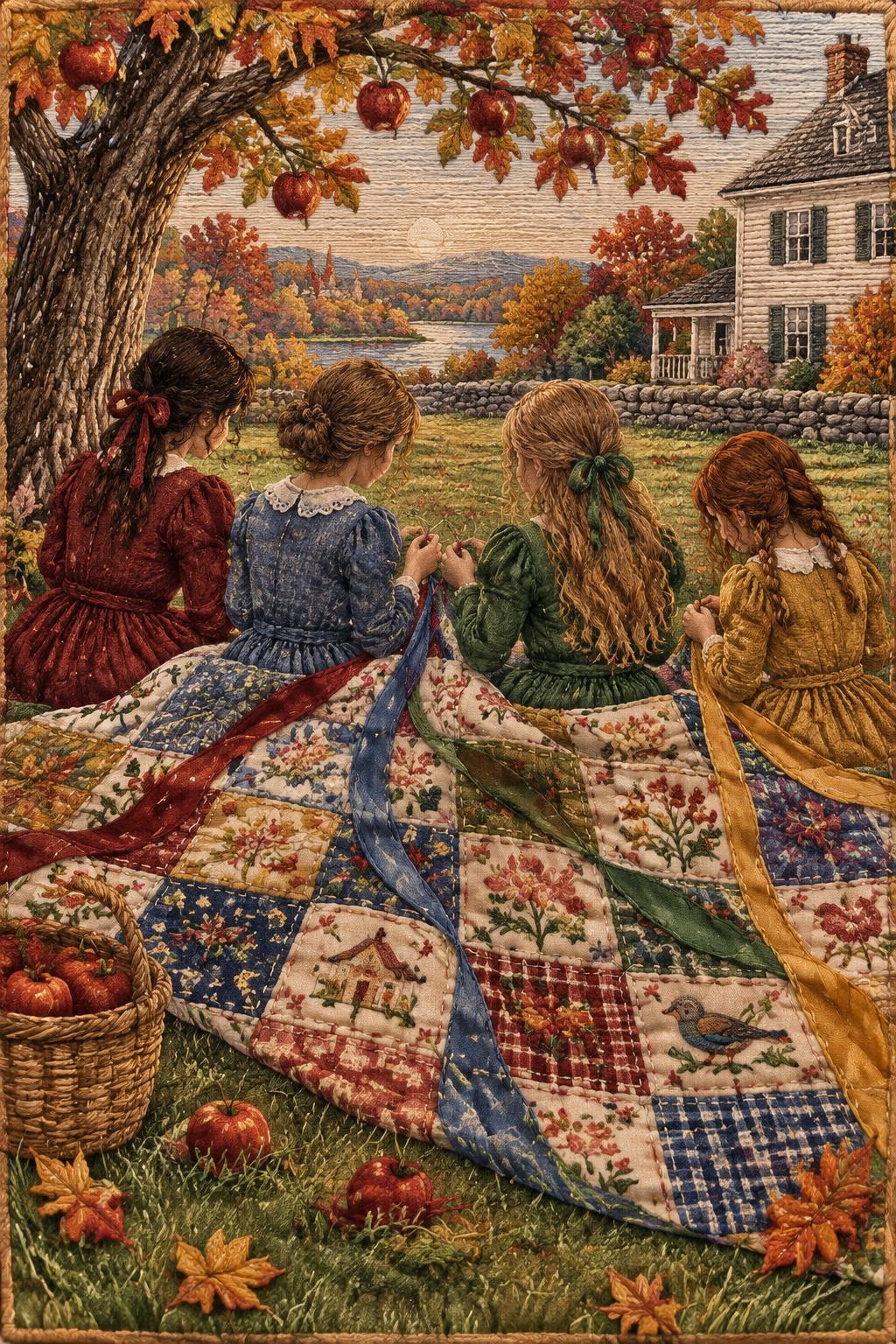
Louisa May Alcott
Four sisters navigate poverty, creativity, and the turbulent transition to womanhood in Civil War New England.
Classic·Detective Fiction
Arthur Conan Doyle
Step into 221B Baker Street and witness the world's greatest consulting detective dismantle London's most baffling enigmas through pure deduction.
Public-domain work (1898). Text: Project Gutenberg #55514. The English version is an AI-assisted translation and may contain errors. Digital edition by Inkora Stories. Learn more